
Sacred Modernism, East of Vienna: From Niculescu’s Inner Liturgy to Łukaszewski’s Luminous Precision
By Adrian Leonard Mociulschi—Special for Nine O’Clock
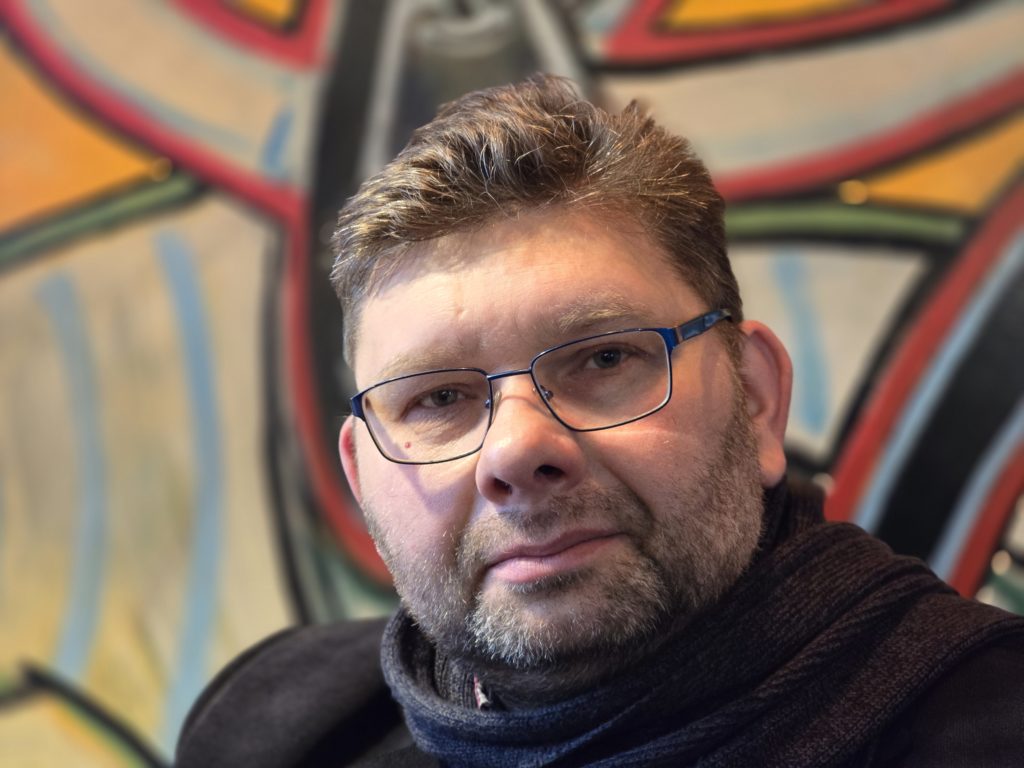
In an age when contemporary music gravitates toward spectacle, fragmentation and algorithmic maximalism, Polish composer Paweł Łukaszewski emerges as one of the most disciplined heirs to Poland’s long tradition of musical clarity—a lineage that runs from the structural intelligence of Chopin to today’s renewed sacred modernism. Born in Częstochowa, the spiritual epicenter of Poland, Łukaszewski has built a body of work whose luminous austerity and architectural precision have quietly reshaped the European choral landscape. His education at the Fryderyk Chopin University of Music, where he studied both cello and composition with distinction, anchors his writing in a rigor that sets him apart in a cultural moment dominated by noise and speed.
Today, Łukaszewski is widely regarded as a leading voice of a renewed sacred modernism, often placed in dialogue with figures such as Henryk Mikołaj Górecki, Krzysztof Penderecki, Arvo Pärt and John Tavener—not in a relationship of derivation, but as part of the same broad current of spiritual minimalism reimagined for the 21st century.
A Composer Formed in a Culture of Discipline and Precision
Educated at the Fryderyk Chopin University of Music in Warsaw—first in cello and later in composition with Marian Borkowski—Paweł Łukaszewski completed both degrees with distinction, an early signal of the clarity and architectural control that would come to define his choral voice. Yet it was Borkowski’s influence that marked the true inflection point in his formation. A towering presence in Poland’s late‑20th‑century post‑avant‑garde, Borkowski stands in an intellectual constellation that includes Ștefan Niculescu, Iannis Xenakis and György Ligeti—not simply composers, but structural thinkers whose work has shaped the very frameworks through which contemporary music understands form and resonance.
Łukaszewski’s post‑graduate immersion in choral conducting, coupled with early exposure to computer‑music and contemporary‑music courses, placed him precisely at the intersection where rigor meets experimentation. This dual formation—the ascetic discipline inherited from Borkowski’s compositional school and the exploratory openness of electronic and contemporary practice—became foundational to his mature style: serene yet architectonic, luminous yet anchored in an exacting sense of structure.
The Sound of Luminous Restraint
Paweł Łukaszewski’s music inhabits a rare territory: a sound world that refuses both the density of late‑modern complexity and the sentimentality that often shadows contemporary sacred writing. Instead, his choral works unfold with an almost architectural patience, where every harmonic turn feels weighed, measured and illuminated from within. His is a craft built not on abundance, but on calibration—a discipline of sound in which clarity is never cold and austerity never sterile.
The phrases in his writing seem engineered rather than simply shaped, each operating like a rib of light supporting a vaulted interior. His textures breathe slowly, allowing dissonance to emerge as a form of shadow rather than tension, and permitting silence to function as an active structural element. The result is a music that feels both ancient and startlingly contemporary: timeless in atmosphere, yet unmistakably of the present in its precision and restraint.
Works such as Responsoria Tenebrae, Nunc Dimittis and Beatus Vir exemplify this poetics of controlled radiance. They have become staples of Europe’s leading choirs not because they flatter performers, but because they demand an elevated form of listening—from singers and audiences alike. Their appeal lies in the way they reframe sacred modernism as a practice of attention, where luminosity is never an effect but the outcome of structure, patience and poise.
In an era saturated with speed and maximalism, Łukaszewski’s music reclaims time. It asks the listener to inhabit sound slowly, to move through harmony the way one walks through a cathedral at dusk: with a sense of interiority, proportion and quiet revelation.
Global Reach, Local Roots
Although Paweł Łukaszewski is now performed across Europe, Asia, and the Americas, his artistic center of gravity has remained firmly anchored in Poland. Nowhere is this dual belonging more evident than in the way he balances institutional responsibility with international presence. As Artistic Director of the Musica Sacra Choir in Warsaw, he has shaped one of the country’s most respected choral institutions, cultivating an ensemble aesthetic that mirrors his own: disciplined, luminous and meticulously constructed. The choir has become not only an instrument of performance but an extension of his compositional philosophy—a laboratory of precision where sound is sculpted with almost monastic care.
At the same time, Łukaszewski’s works circulate far beyond Poland’s borders, embraced by leading choirs, festivals and recording labels. His music travels with unusual ease through distinct cultural environments—from British collegiate choirs to Scandinavian sacred festivals and North American concert halls—not because it adapts to trends, but because it speaks a universal language of clarity and proportion. It offers something rare today: sacred music free from nostalgia, contemporary music free from nihilism, and a sonic architecture that resonates even with listeners untouched by liturgical traditions.
This paradox—deeply rooted yet effortlessly transnational—has become one of the hallmarks of his career. Łukaszewski belongs unmistakably to the Polish lineage of structural spirituality, yet his music does not depend on cultural decoding or historical context to be understood. Its authority comes from discipline, coherence and a kind of luminous austerity that exceeds geography. What travels, in the end, is not a national style, but a way of thinking about sound: one in which restraint becomes expressive, silence becomes structural, and the sacred becomes an architecture of attention rather than a matter of doctrine.
A Legacy That Extends the Line of Sacred Modernism
In the broader landscape of contemporary sacred music, Paweł Łukaszewski stands as one of the few composers who have managed to expand the spiritual vocabulary of the choral tradition without diluting its intensity. In this sense, his work resonates with the quiet but decisive legacy of Ștefan Niculescu, whose explorations of sacred sound in the 20th century forged a path where contemplation and rigor could coexist without compromise.
Both composers, though shaped by different cultural geographies, share a commitment to what might be called the architecture of the inner liturgy—a way of writing in which sacredness emerges not from citation or ritual, but from structure, proportion and the disciplined shaping of silence. Where Niculescu transformed psalmody, heterophony and modal resonance into a modern spiritual language, Łukaszewski extends this lineage with his own luminous austerity, crafting works in which clarity becomes a form of devotion and restraint becomes a mode of revelation.
Their connection is not historical, but conceptual. Both view the sacred not as ornament but as a system of coherence; not as an appeal to tradition, but as a design principle anchored in listening. Niculescu opened a door toward a renewed spiritual modernism in Eastern Europe. Łukaszewski walks through that door and carries the line forward, demonstrating that sacred music in the 21st century can still evolve—not through spectacle, but through precision, patience and inner radiance.
In the end, Łukaszewski belongs to a rare continuum: composers who treat sacred sound as architecture rather than metaphor. His music does not imitate the past nor react against the present; instead, it builds a bridge between them. And in that bridge, one can hear the same quiet conviction that animated Niculescu: the belief that the sacred is not a theme, but a discipline—a way of constructing clarity in a world increasingly defined by noise
Adrian-Leonard Mociulschi is a contributor to Nine O’Clock, as well as a musician, essayist, and university lecturer at the National University of Music Bucharest (UNMB). His interdisciplinary work explores the symbolic intersections between music, emerging technologies, and cultural ethics. He is the author of five published essay volumes with Curtea Veche Publishing, a leading Romanian publishing house, and a regular contributor to Nine O’Clock and international academic journals. As an ambassador of technoculture, he advocates for meaningful human presence in algorithmic systems.
New Music – Dedicato a Paweł Łukaszewski
PODCAST
New Music – di Marco Di Battista
Una puntata dedicata a Paweł Łukaszewski. Del compositore polacco ascolteremo alcuni dei suoi lavori cameristici più interessanti. A partire dai Quartettti per archi, scritti rispettivamente nel 1994, 2000, 2004 r 2021. Come al solito un vero test per entrare pienamente nel linguaggio di un musicista. Ascolteremo poi due Quintetti col pianoforte: in n 1, scritto nel 2013, e il n 2, ultimato nel 2017. A interpretare questi brani è una delle formazioni più interessanti della scena europea: il Dafo String Quartet, con Justyna Duda e Danuta Augustyn al violino, Aneta Dumanowska (Kinga Roesler nel primo quartetto) alla viola e Anna Armatys al violoncello. Il pianista dei quintetti è Marek Szlezer
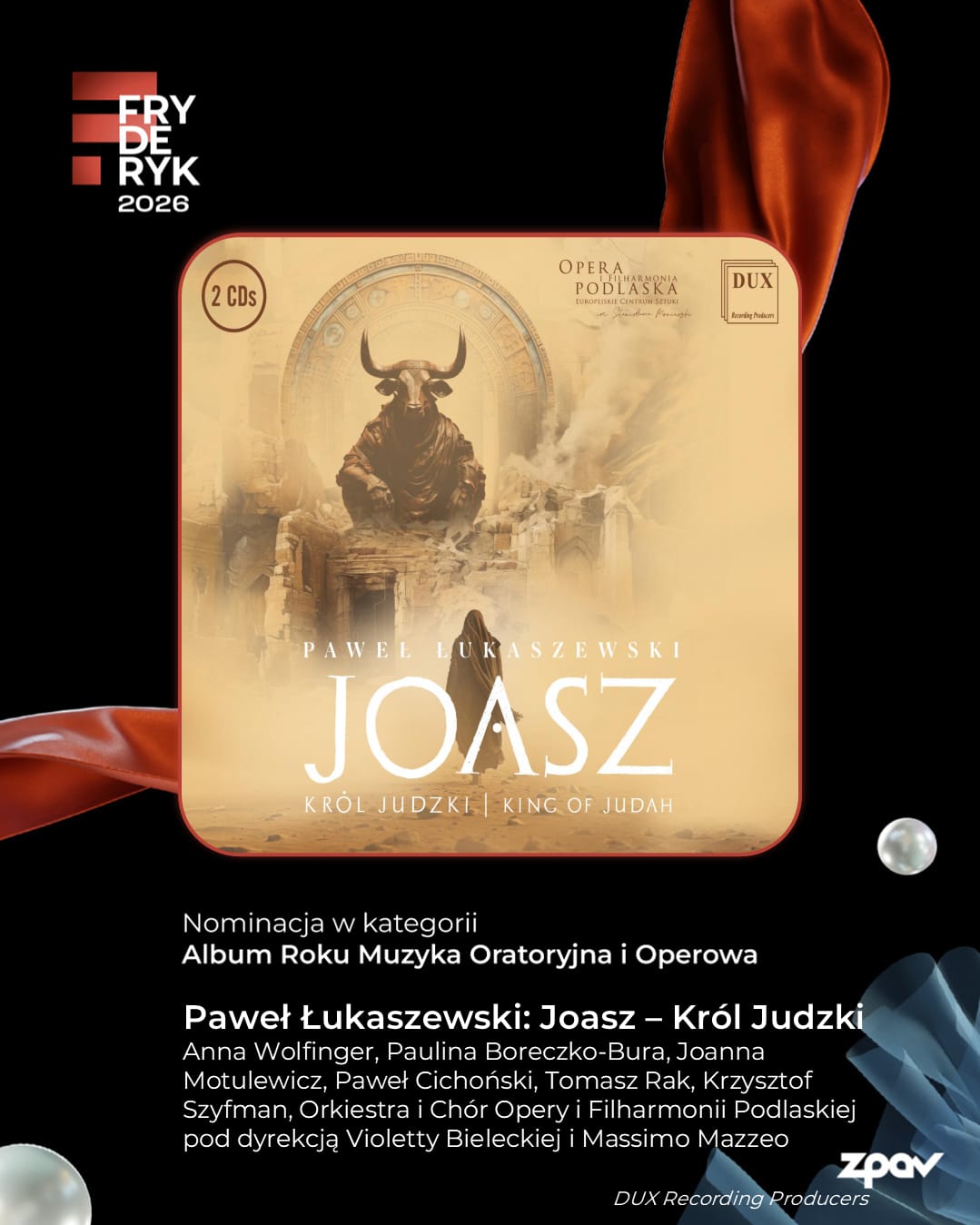
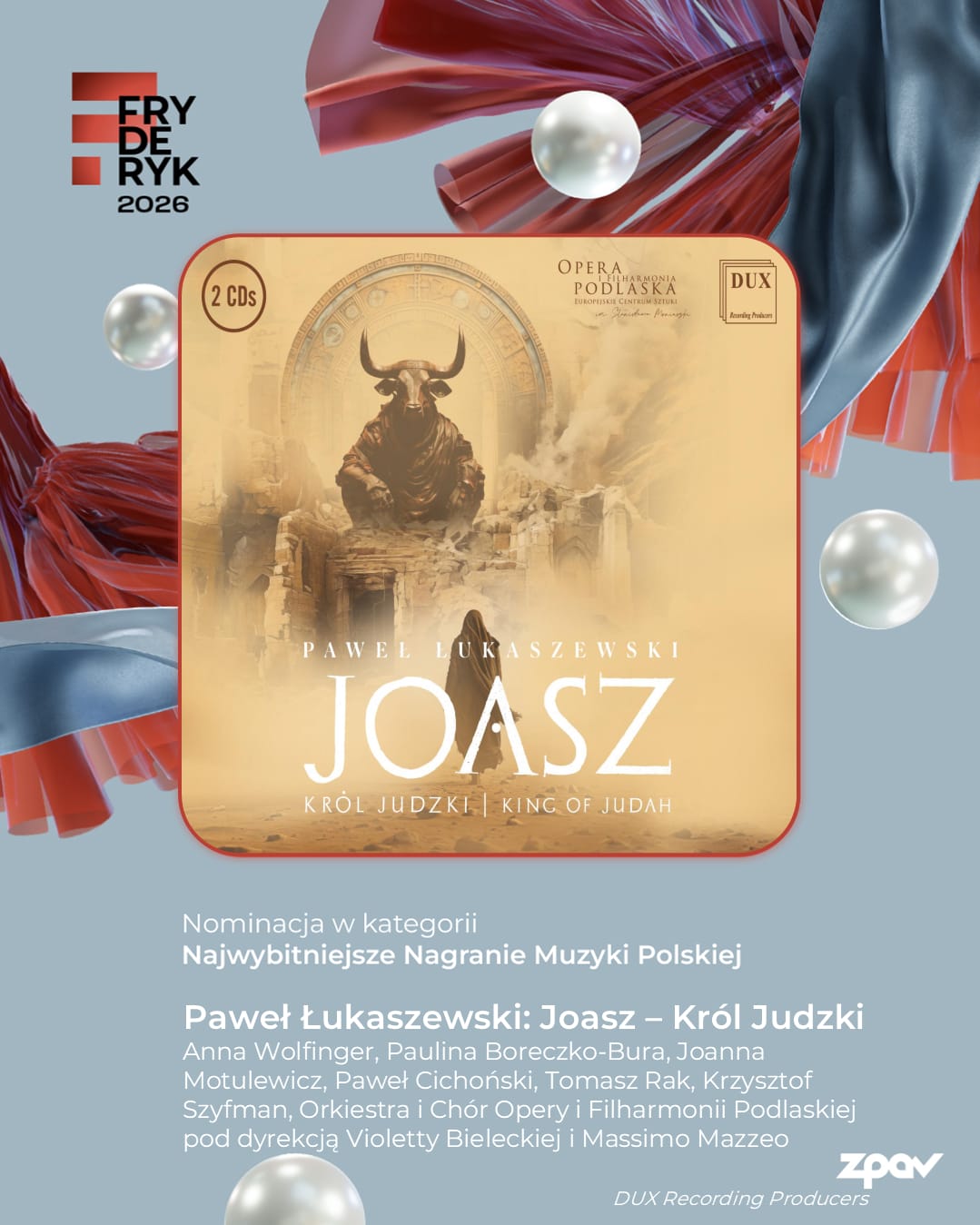
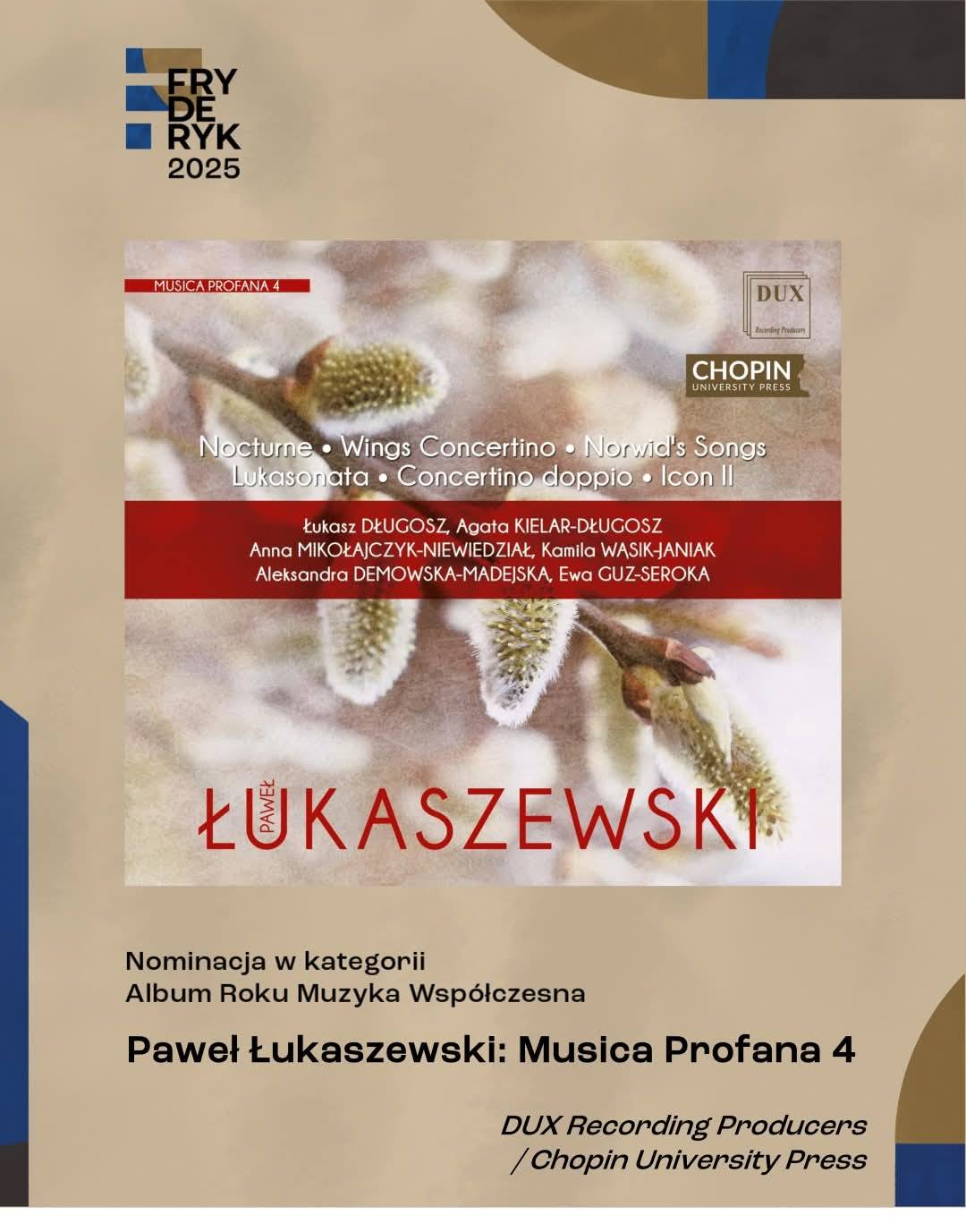
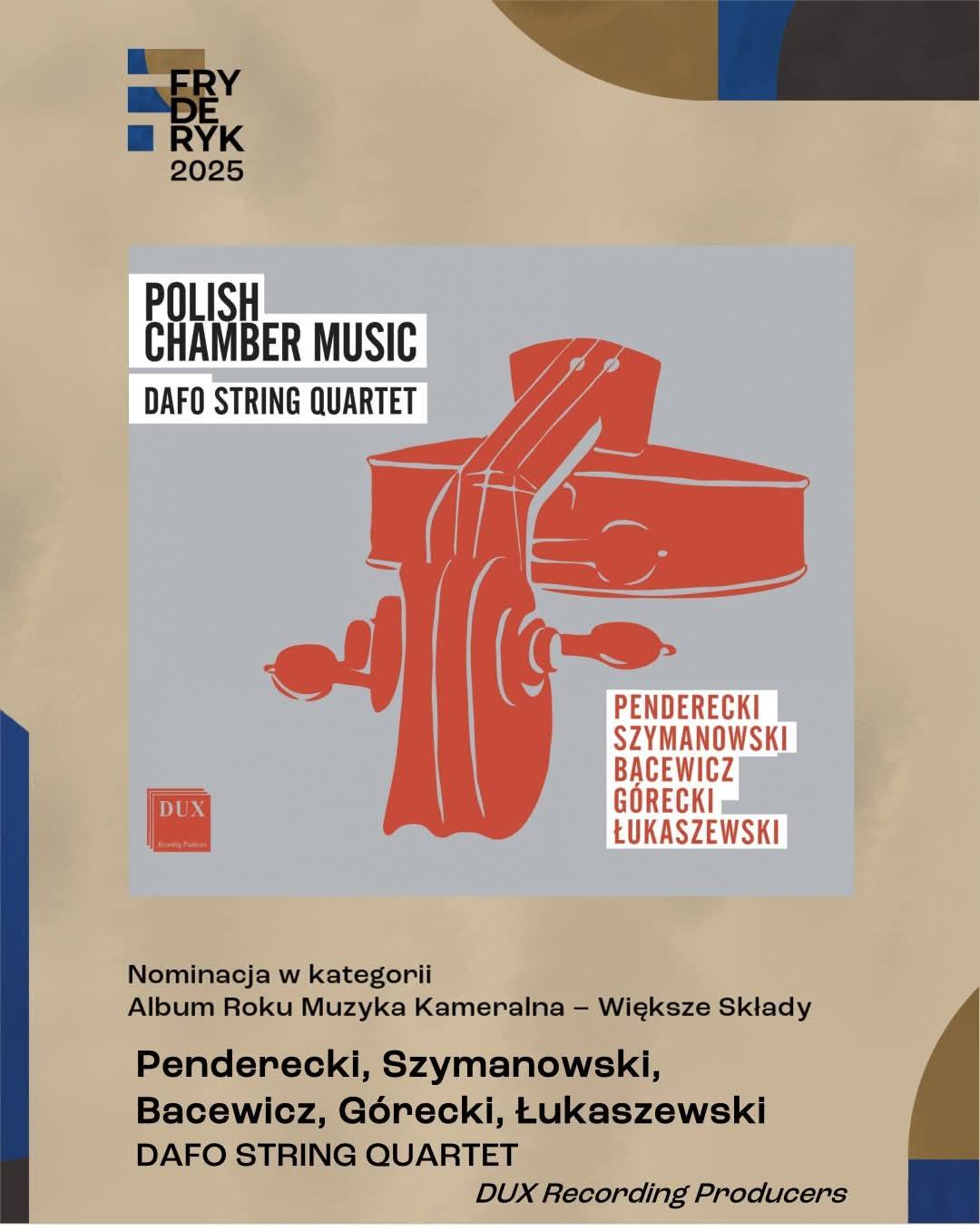
Nominations for the 2026 Fryderyk Music Awards in the following categories:
- Album of the Year: Oratorio and Opera Music
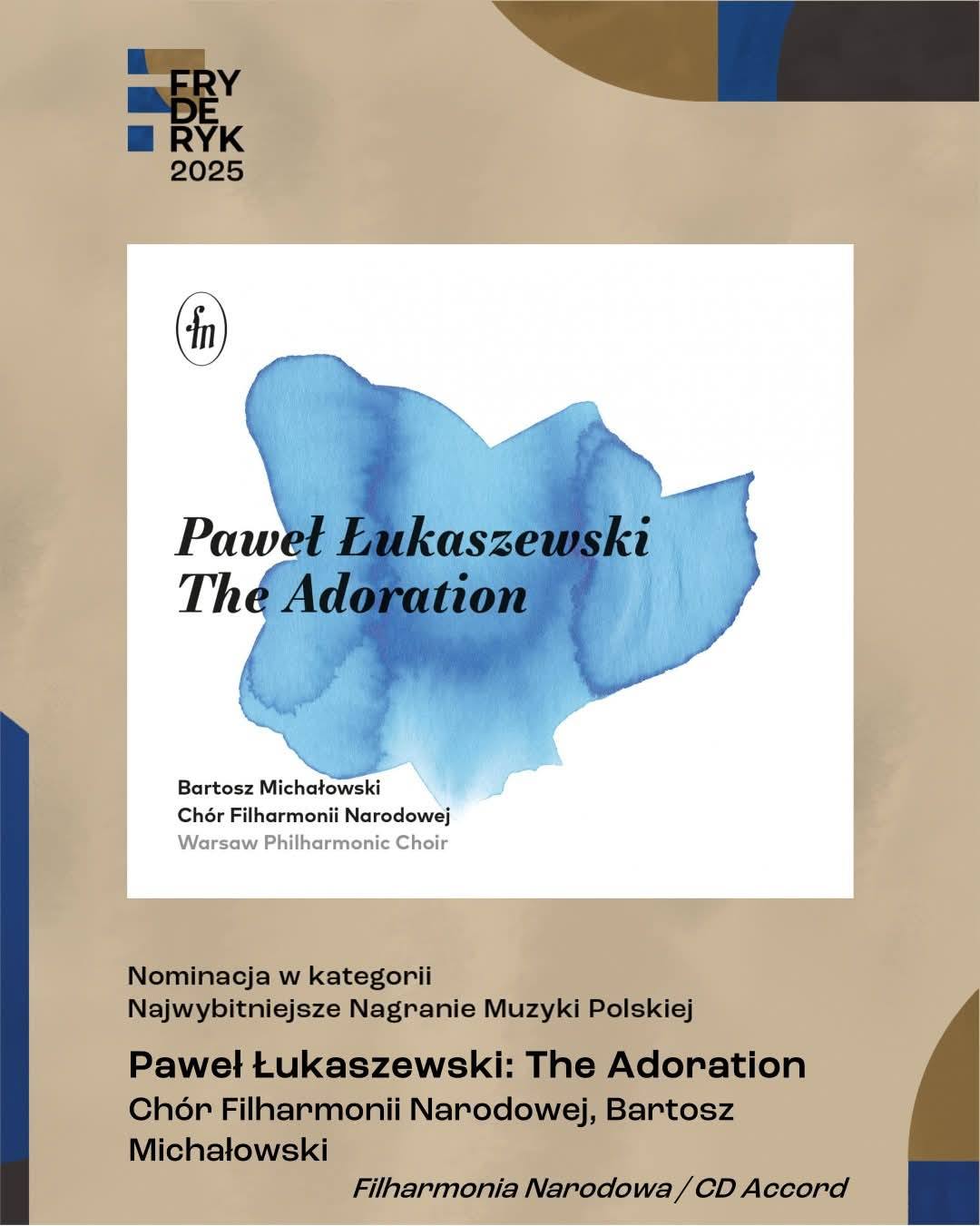
- Outstanding Polish Music Recording

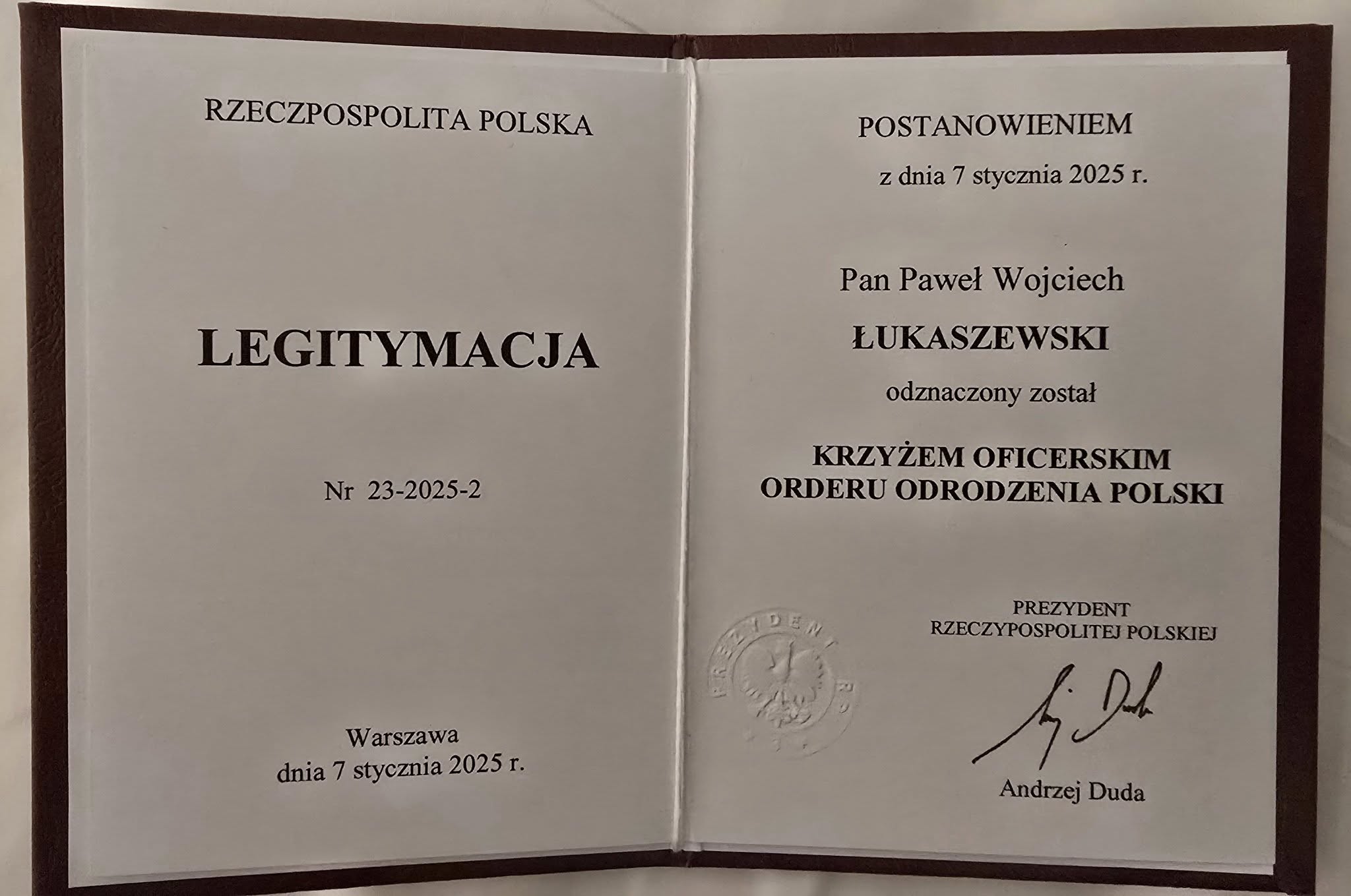
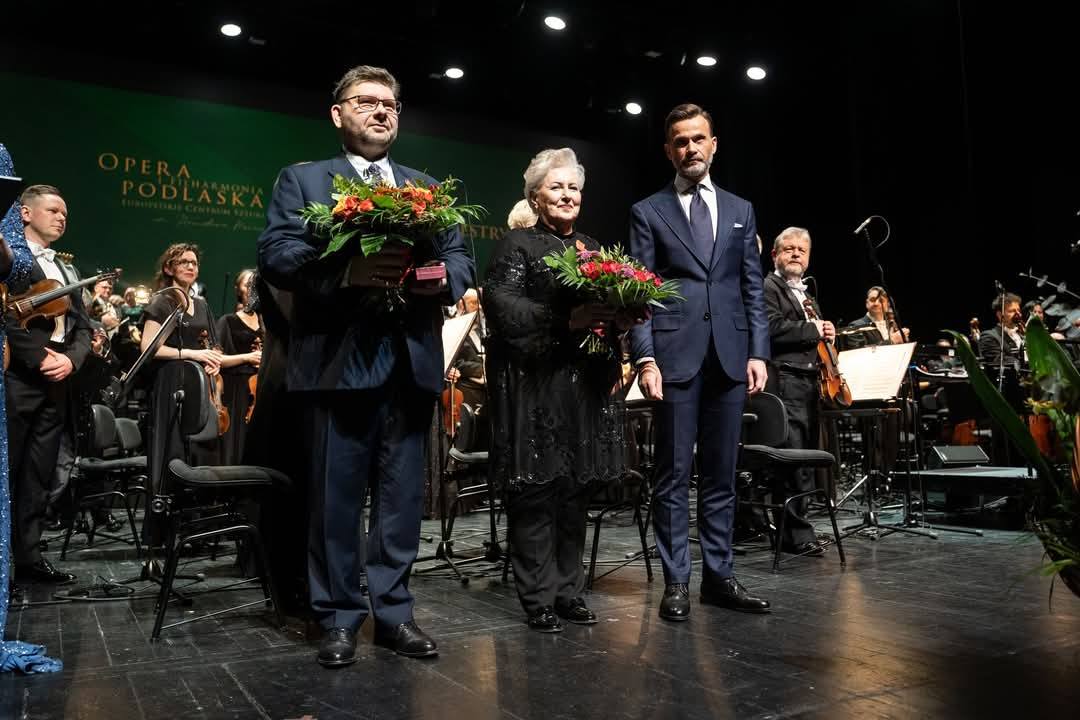
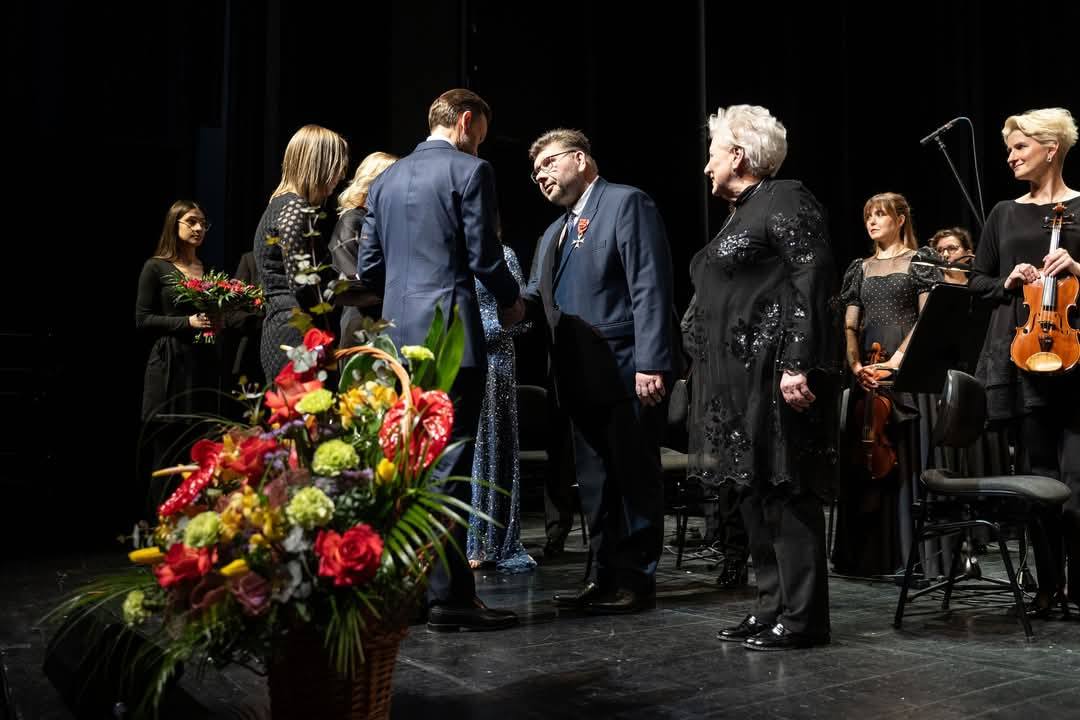
KRZYŻ OFICERSKI ORDERU ODRODZENIA POLSKI
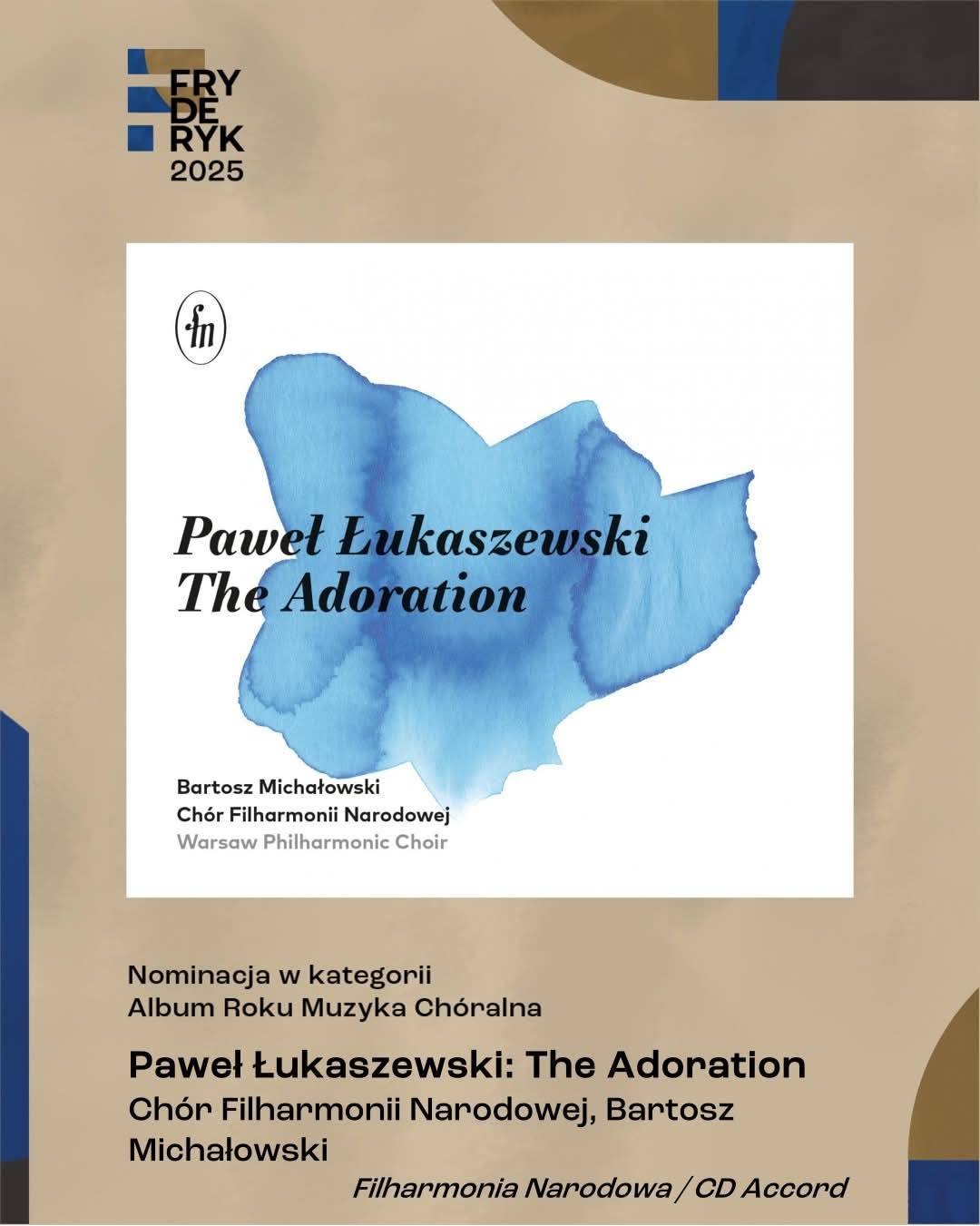
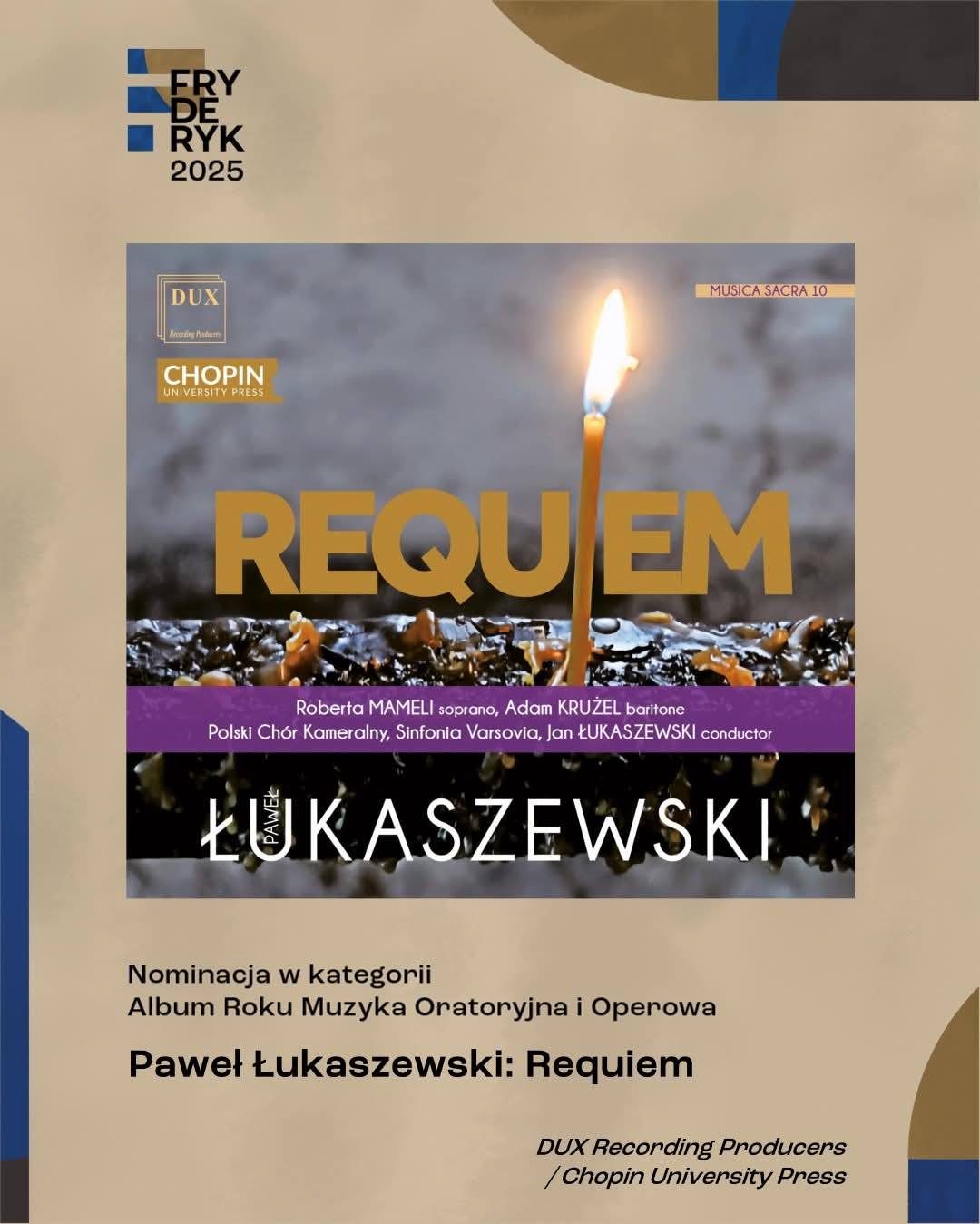
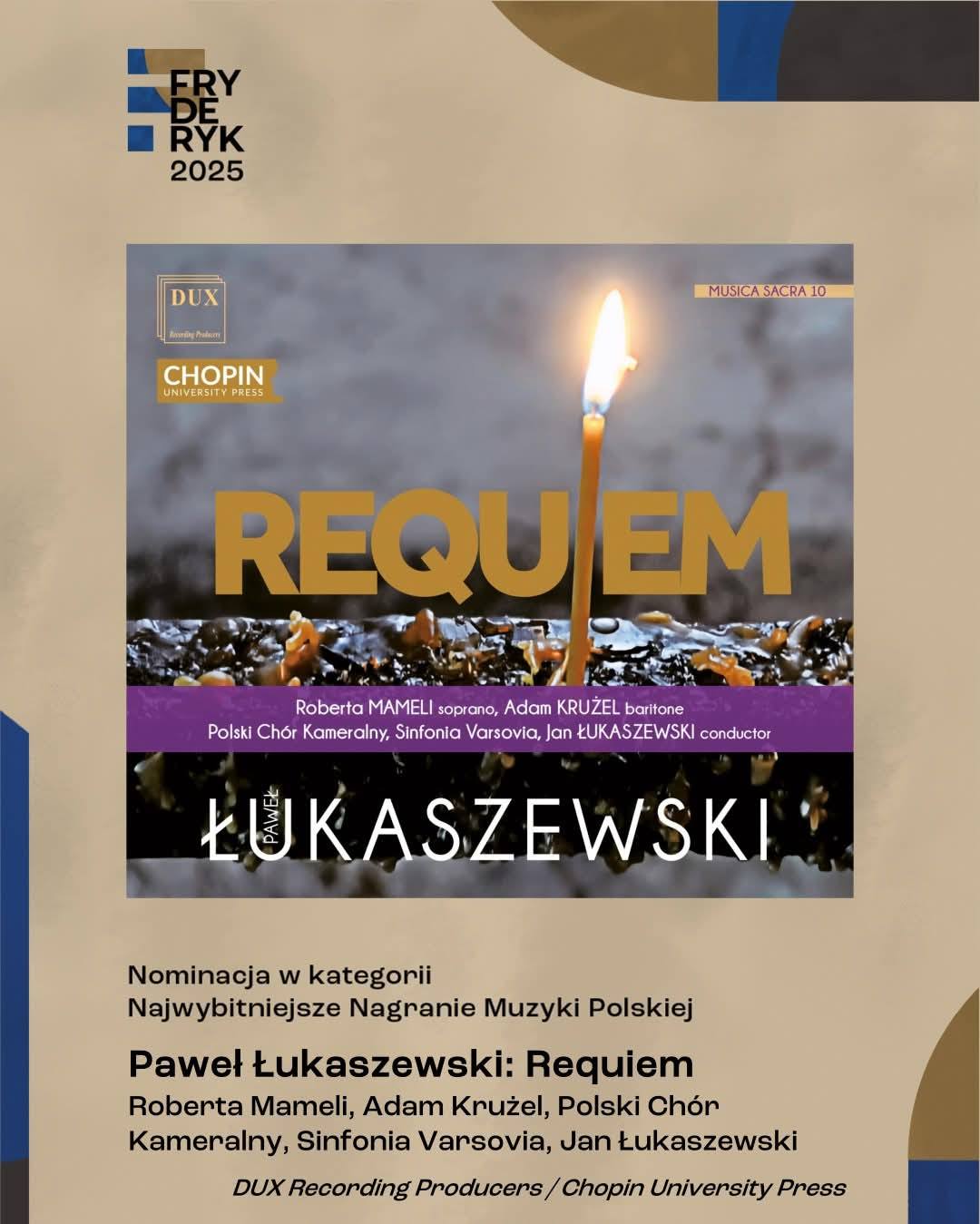
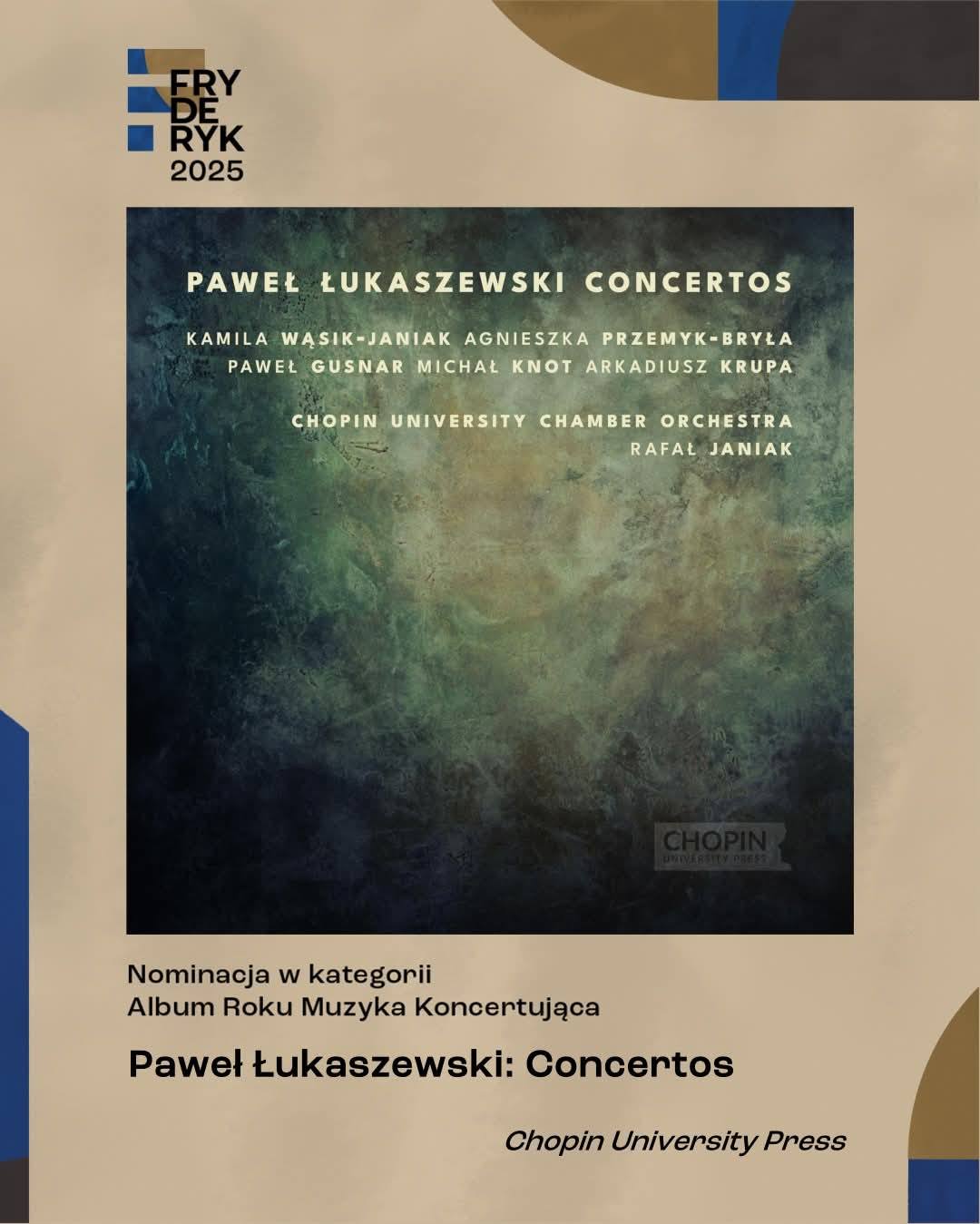
ALBUM ROKU MUZYKA ORKIESTROWA
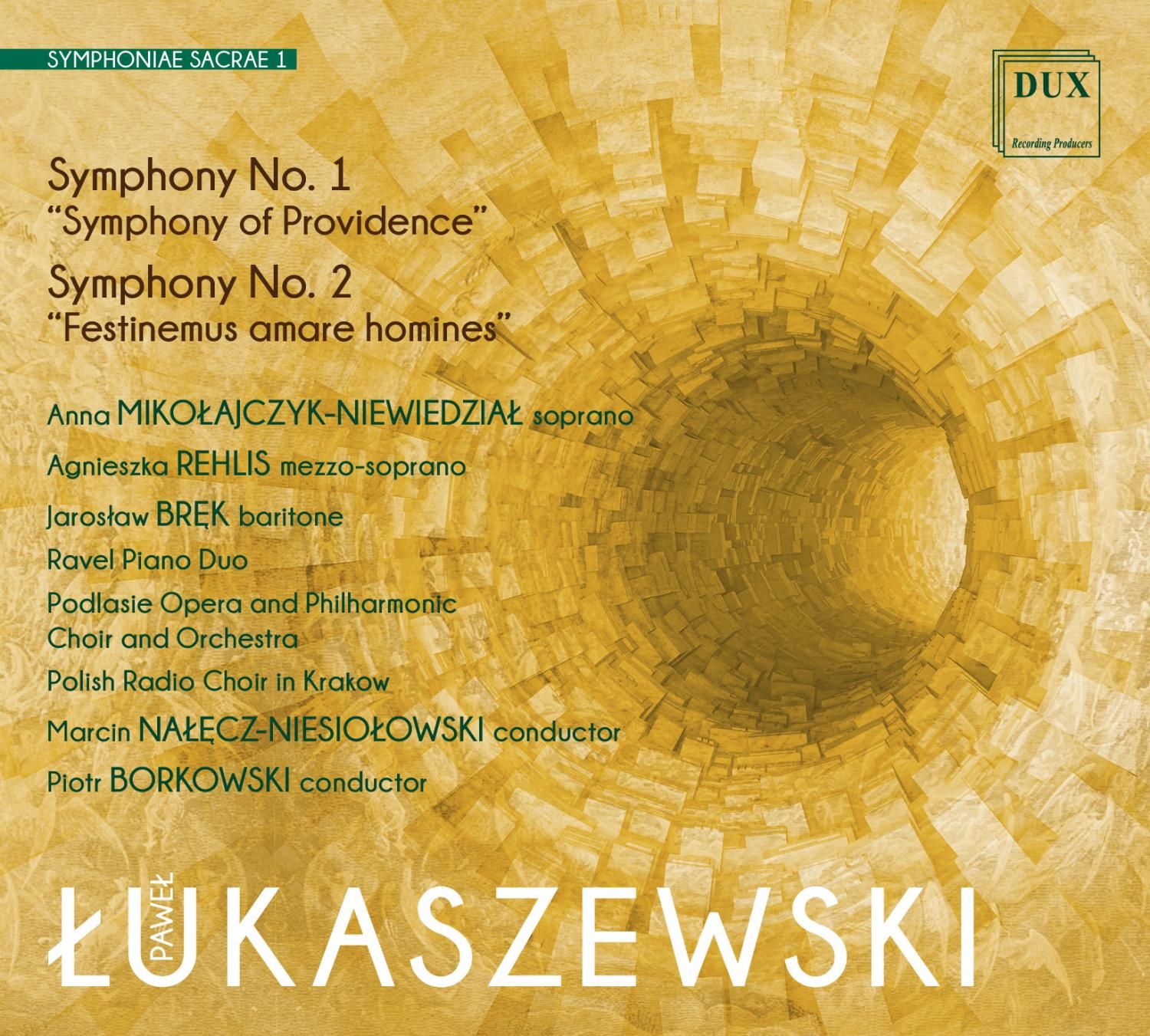
Paweł Łukaszewski – Symphoniae Sacrae 1
Anna Mikołajczyk–Niewiedział (sopran), Agnieszka Rehlis (mezzosopran), Jarosław Bręk (baryton), Ravel Piano Duo, Chór Polskiego Radia w Krakowie, Orkiestra i Chór Opery i Filharmonii Podlaskiej, Piotr Borkowski (dyrygent), Marcin Nałęcz–Niesiołowski (dyrygent)
Reżyseria dźwięku: Wojciech Łopaciuk, Roman Rutyna, Witold Osiński, Krzysztof Szcześniak, Andrzej Brzoska, Michał Szostakowski
Wydawca: DUX Recording Producers
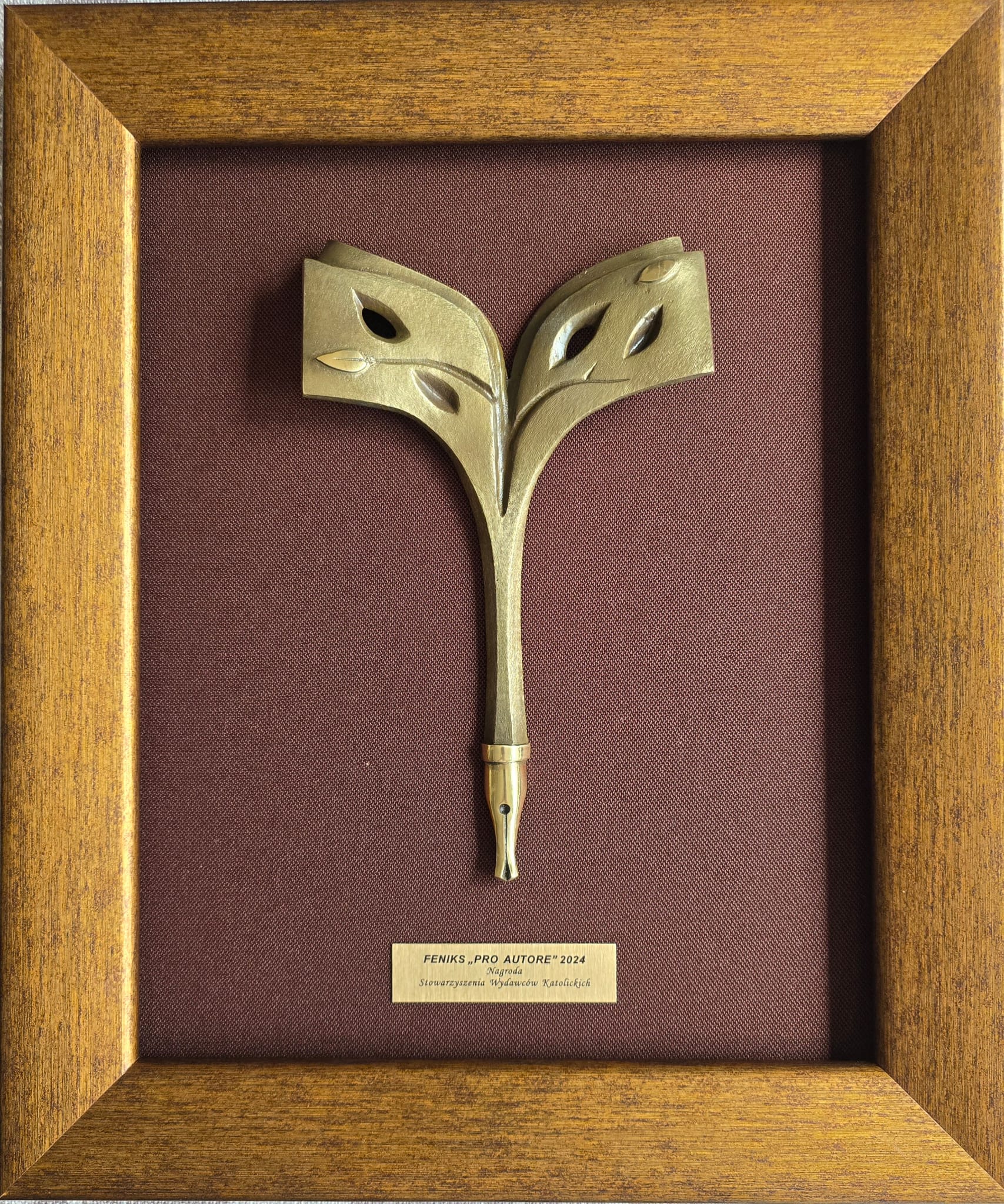
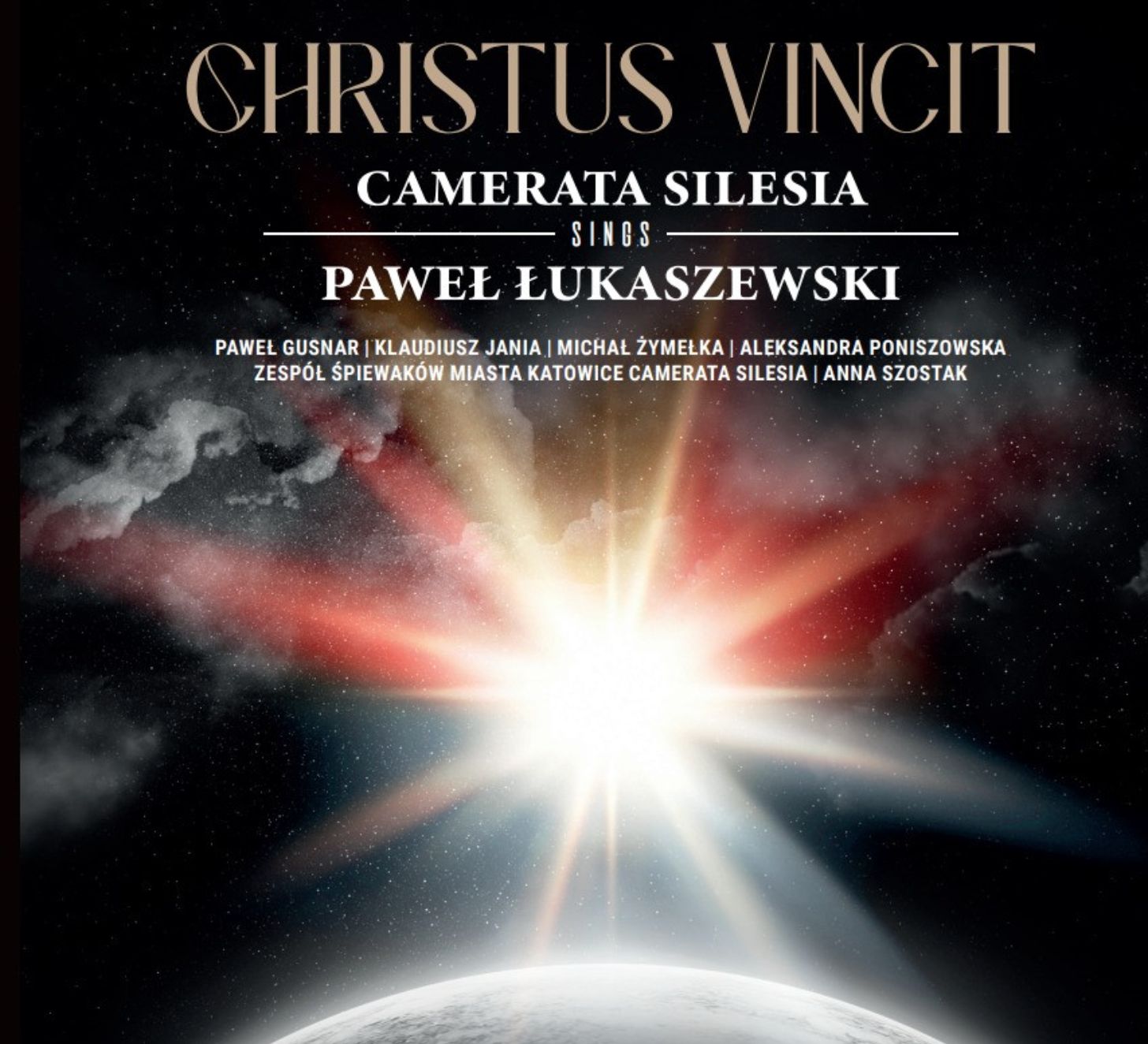
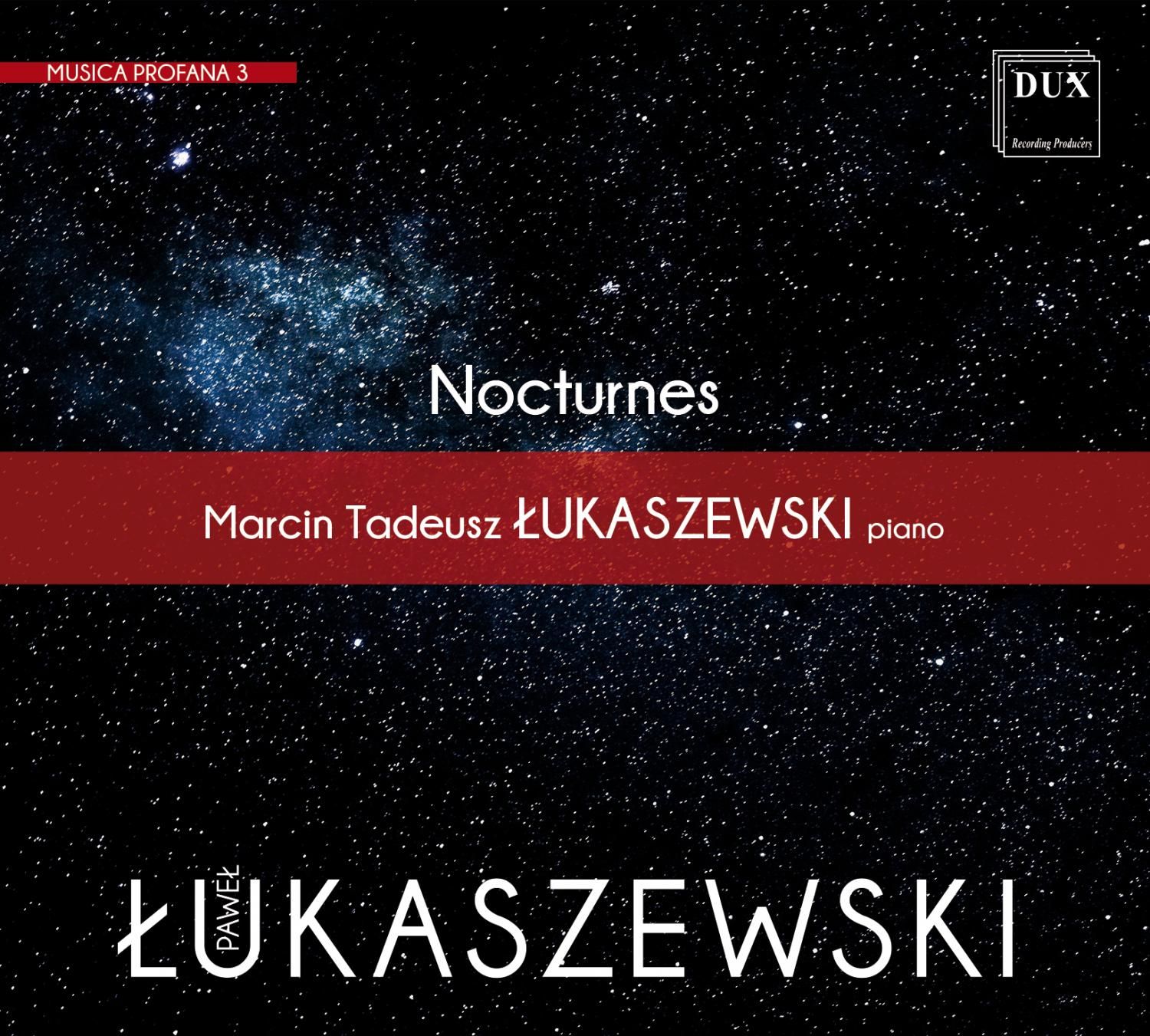
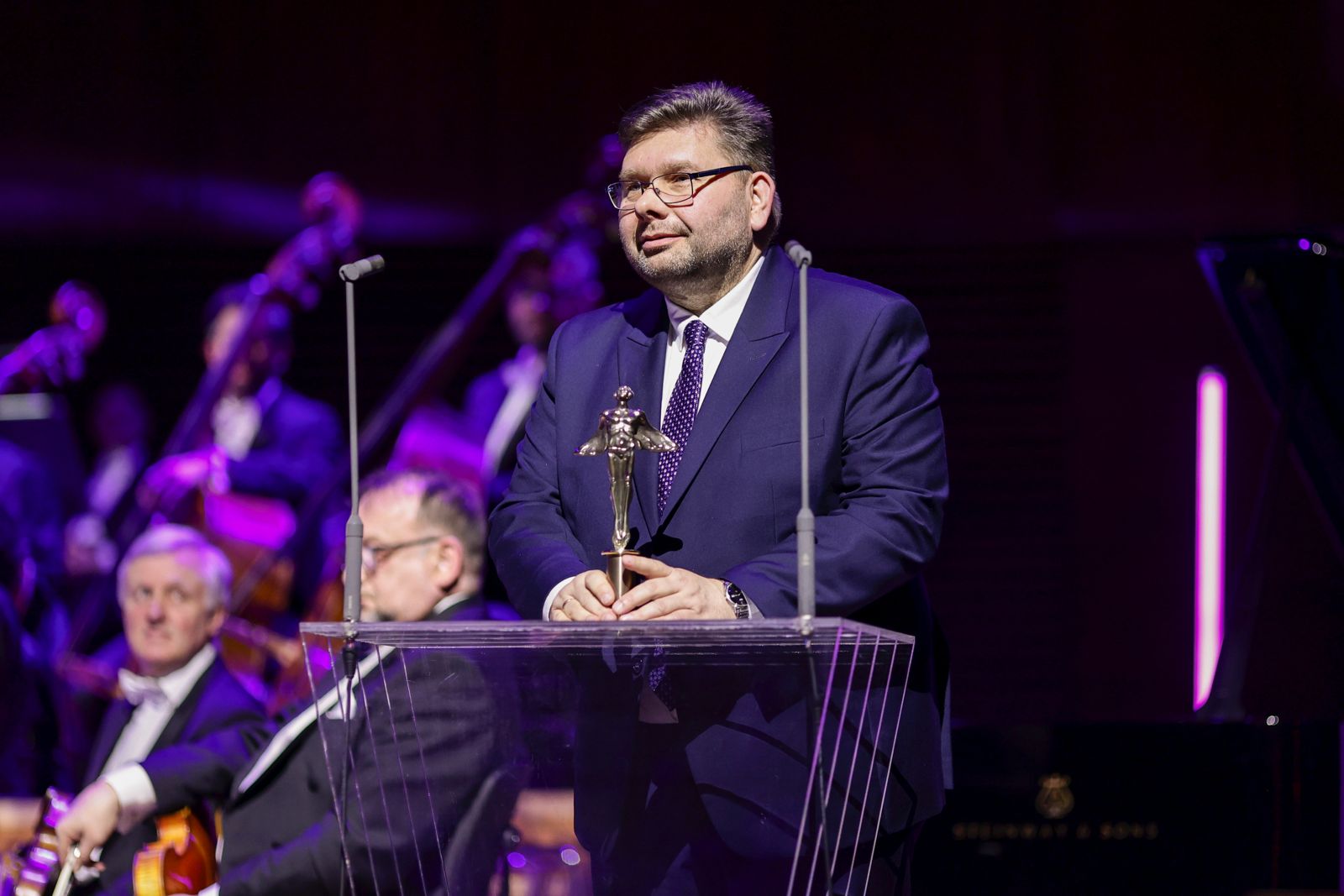
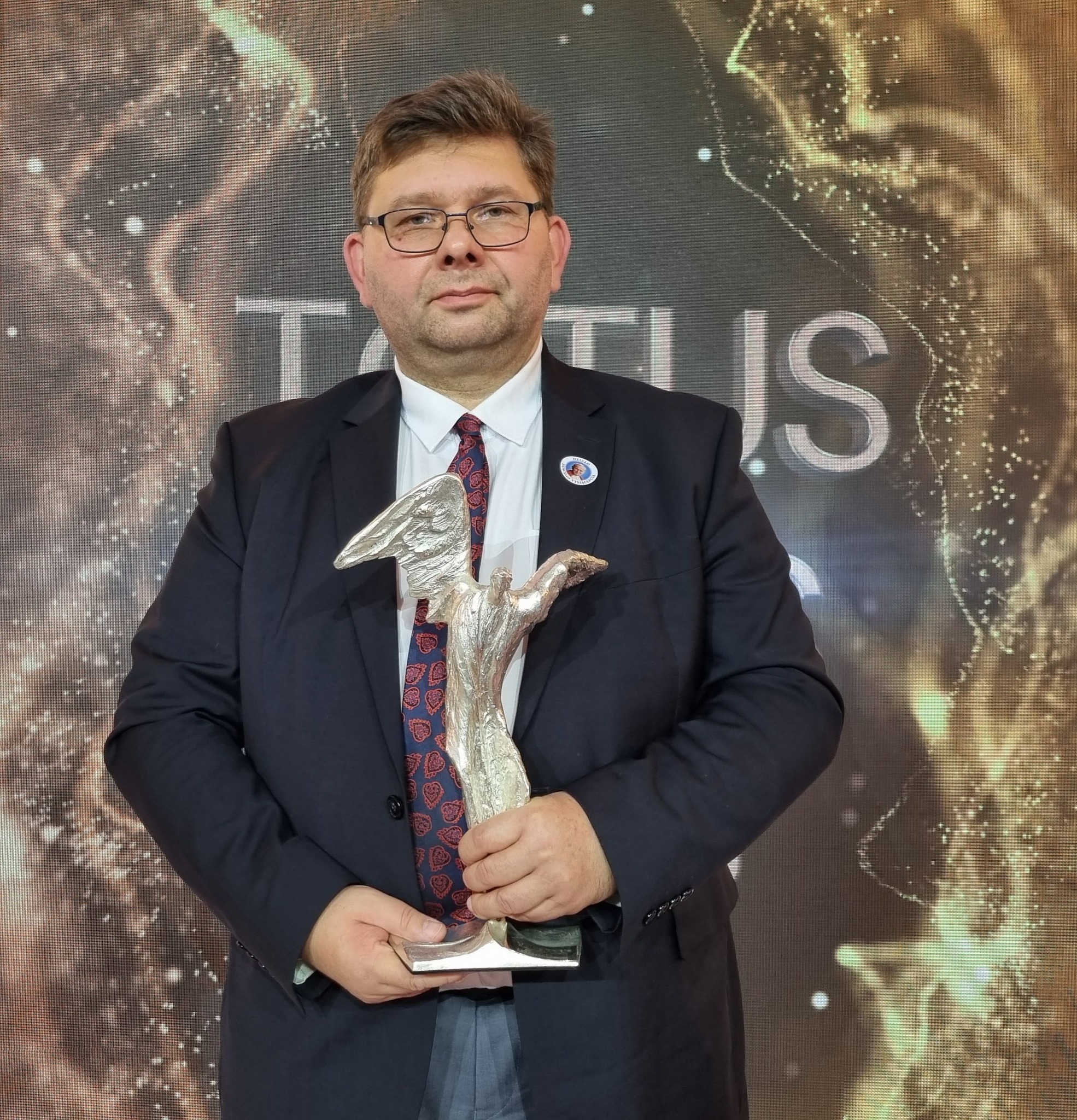
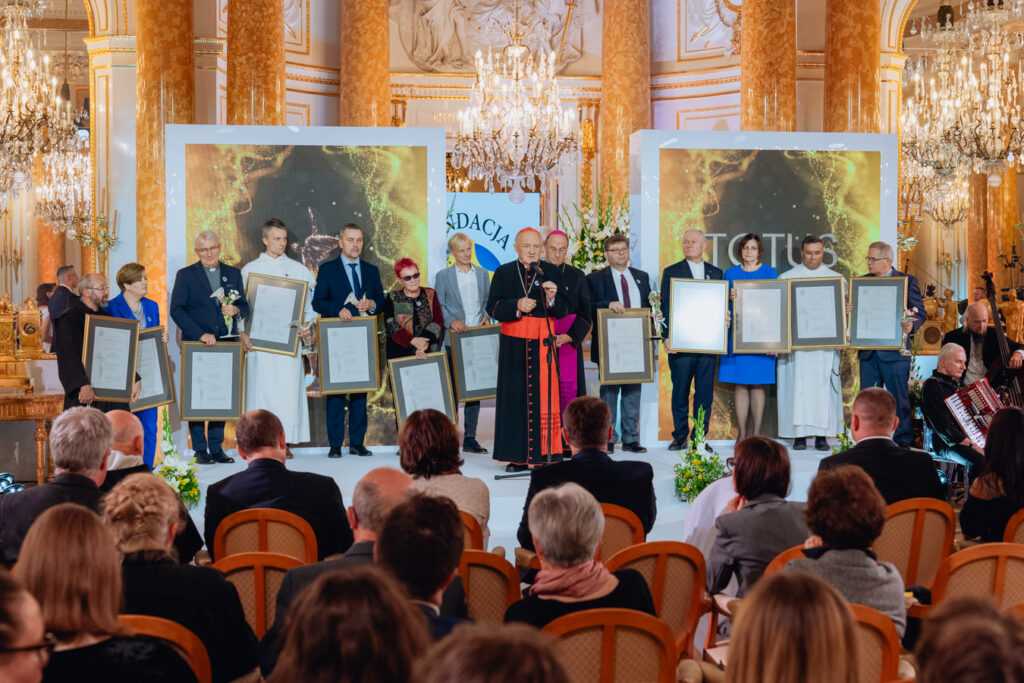
14 października 2023 r. na uroczystej gali zostały wręczone Nagrody Totus Tuus 2023 – „katolicki Nobel” przyznawany z okazji Dnia Papieskiego.
Paweł Łukaszewski otrzymał nagrodę w kategorii „Osiągnięcia w dziedzinie kultury chrześcijańskiej”.
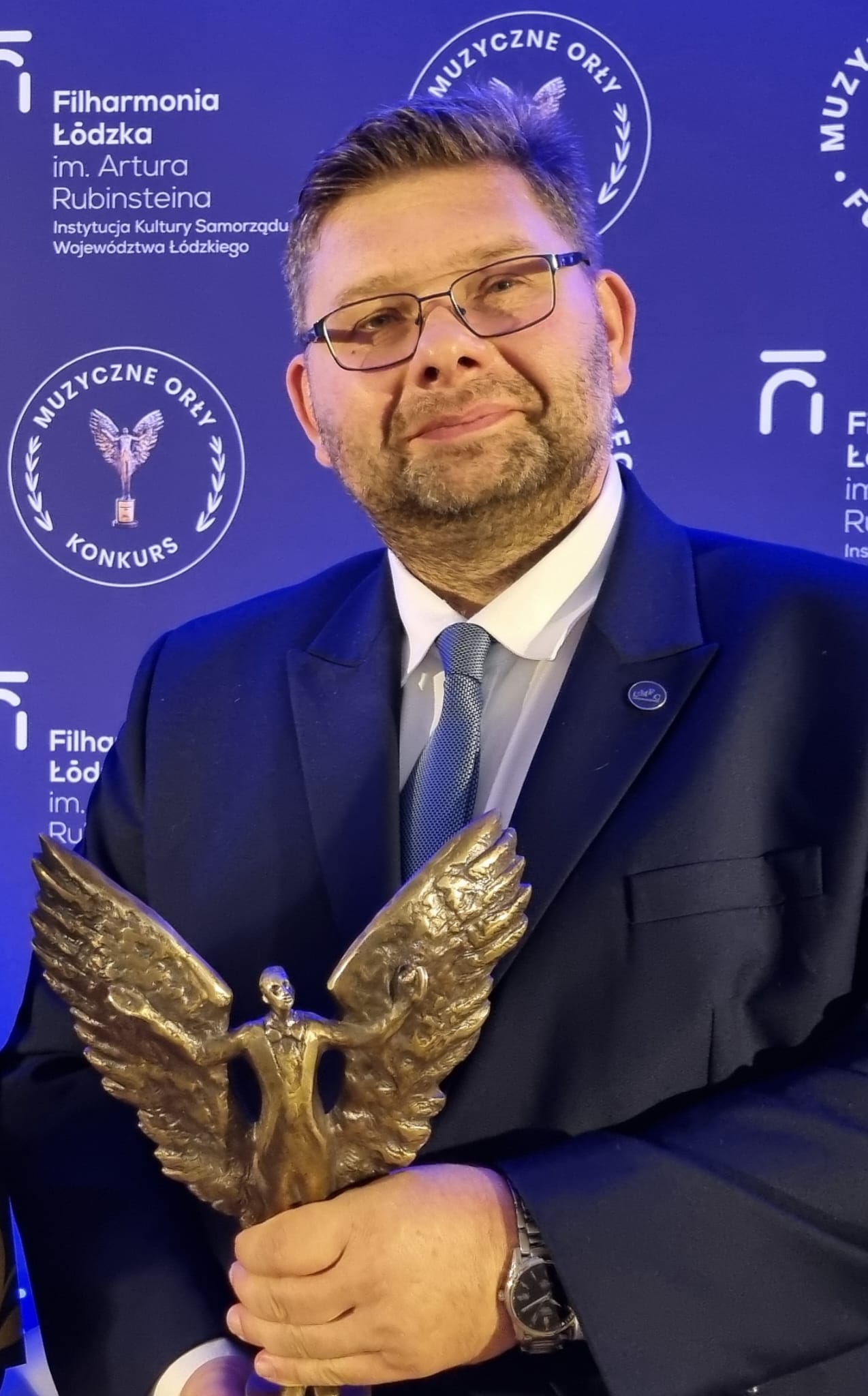
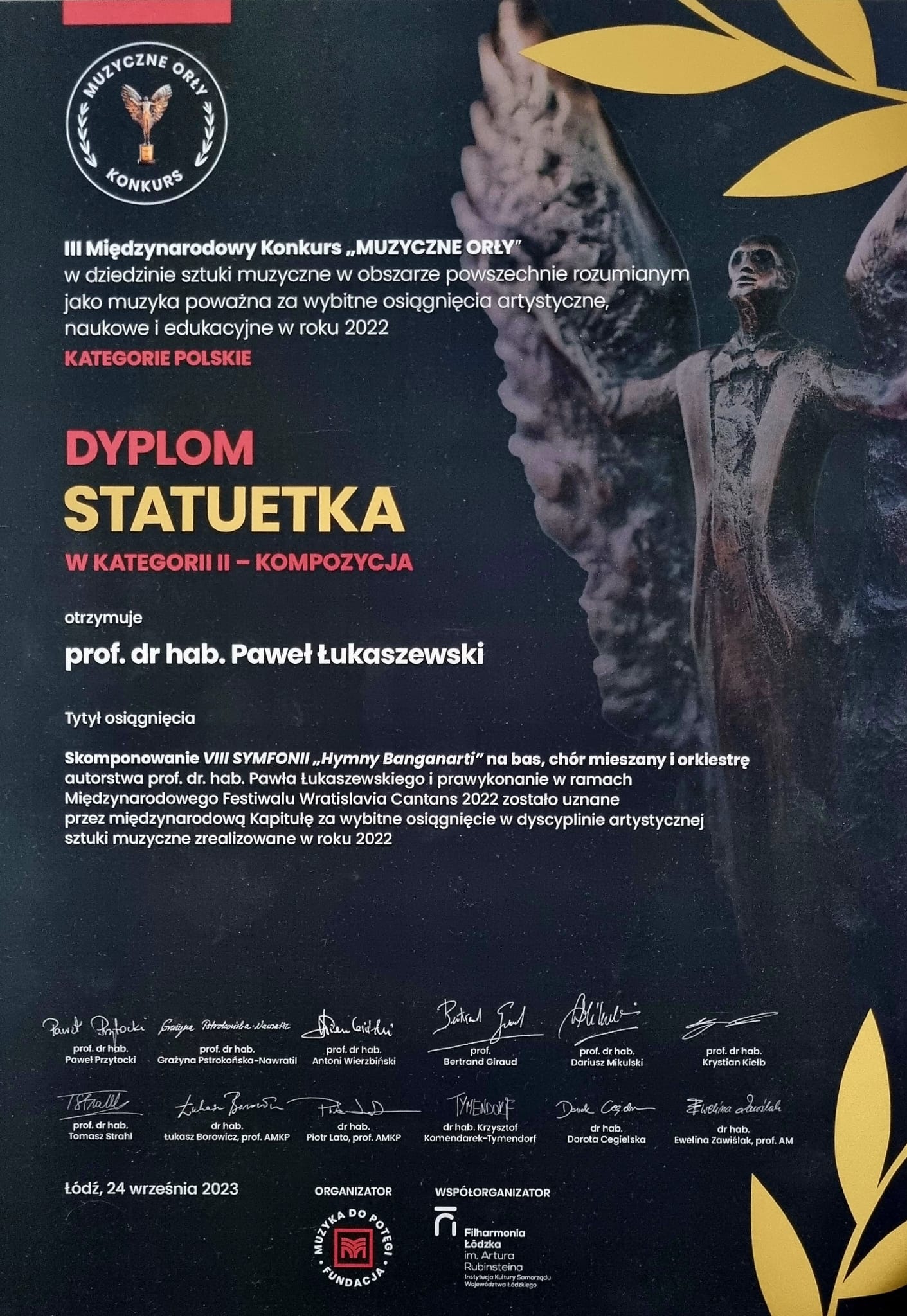
III Międzynarodowy Konkurs “MUZYCZNER ORŁY” w dziedzinie sztuki muzyczne w obszarze powszechnie rozumianym jako muzyka poważna za wybitne osiągnięcia artystyczne, naukowe i edukacyjne w roku 2022
KATEGORIA POLSKIE
Dyplom STATUETKA
w kategorii – KOMPOZYCJA
dla prof. dr hab. Pawła Łukaszewskiego
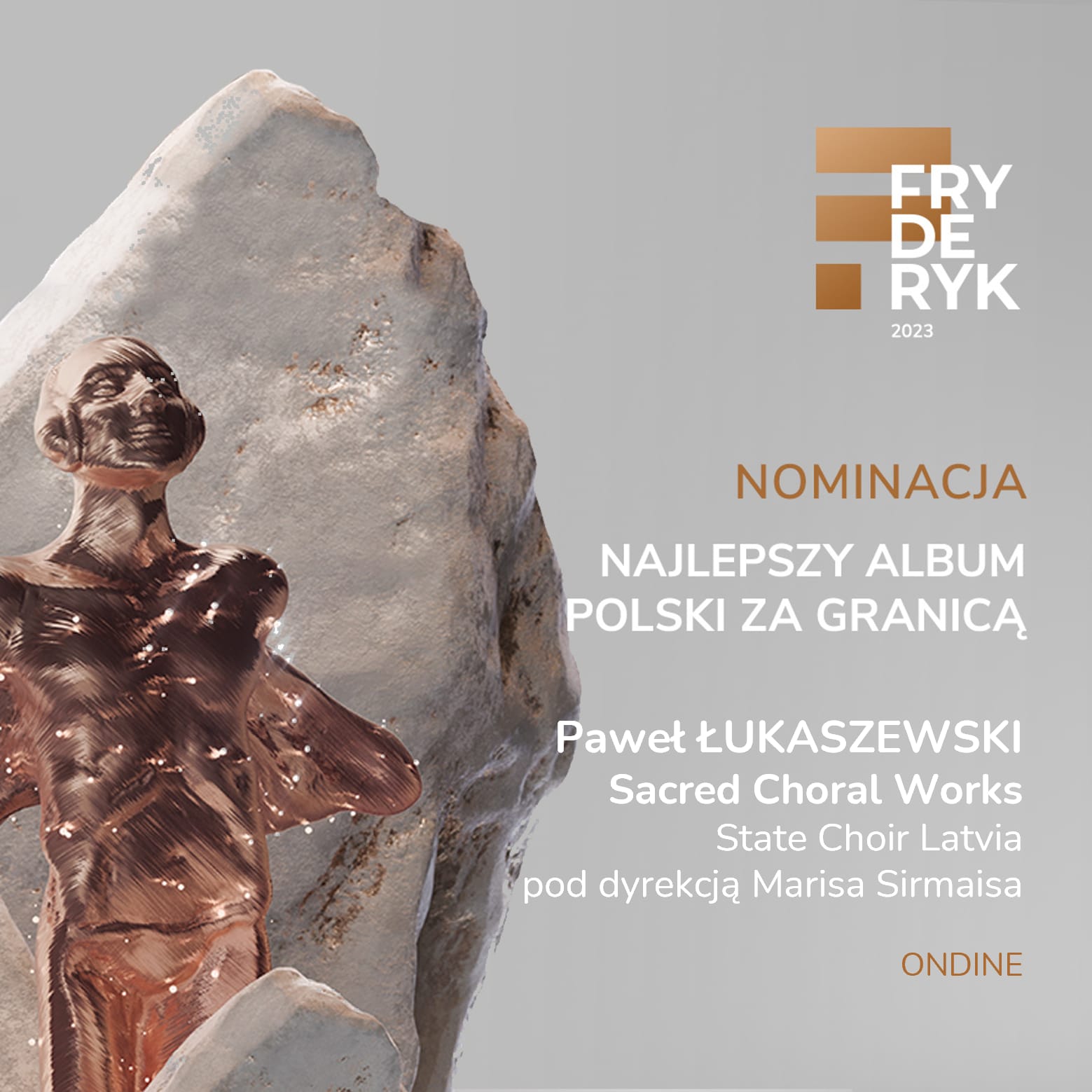
Nominacja do nagrody FRYDERYK 2023 w dwóch kategoriach:

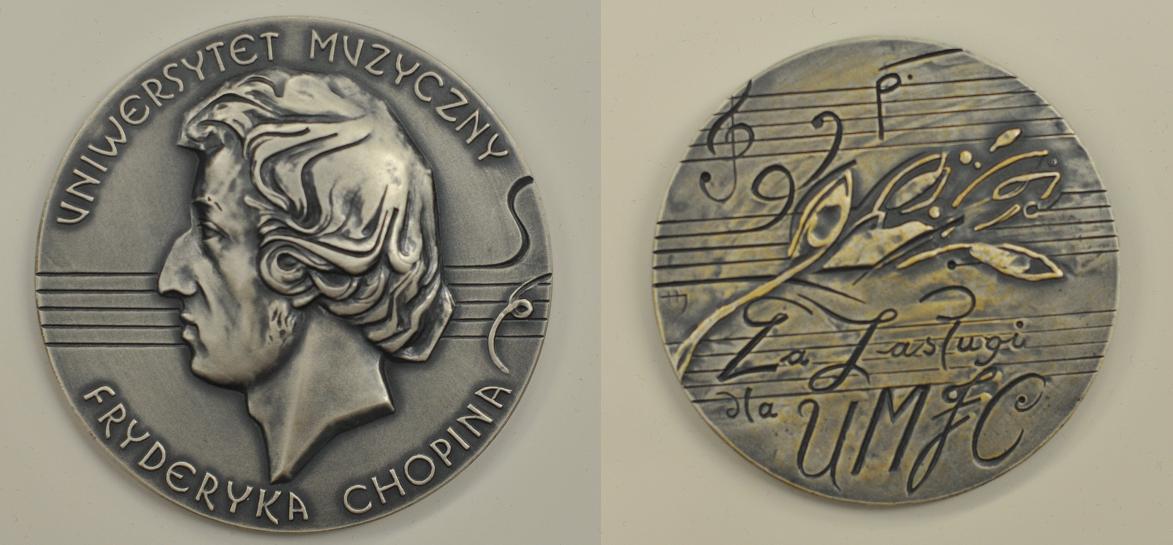
22 lutego 2023 podczas obchodów święta uczelni UMFC, prof. dr hab. Paweł Łukaszewski otrzymał medal za zasługi dla Uniwersytetu Muzycznego Fryderyka Chopina.


NAGRODA
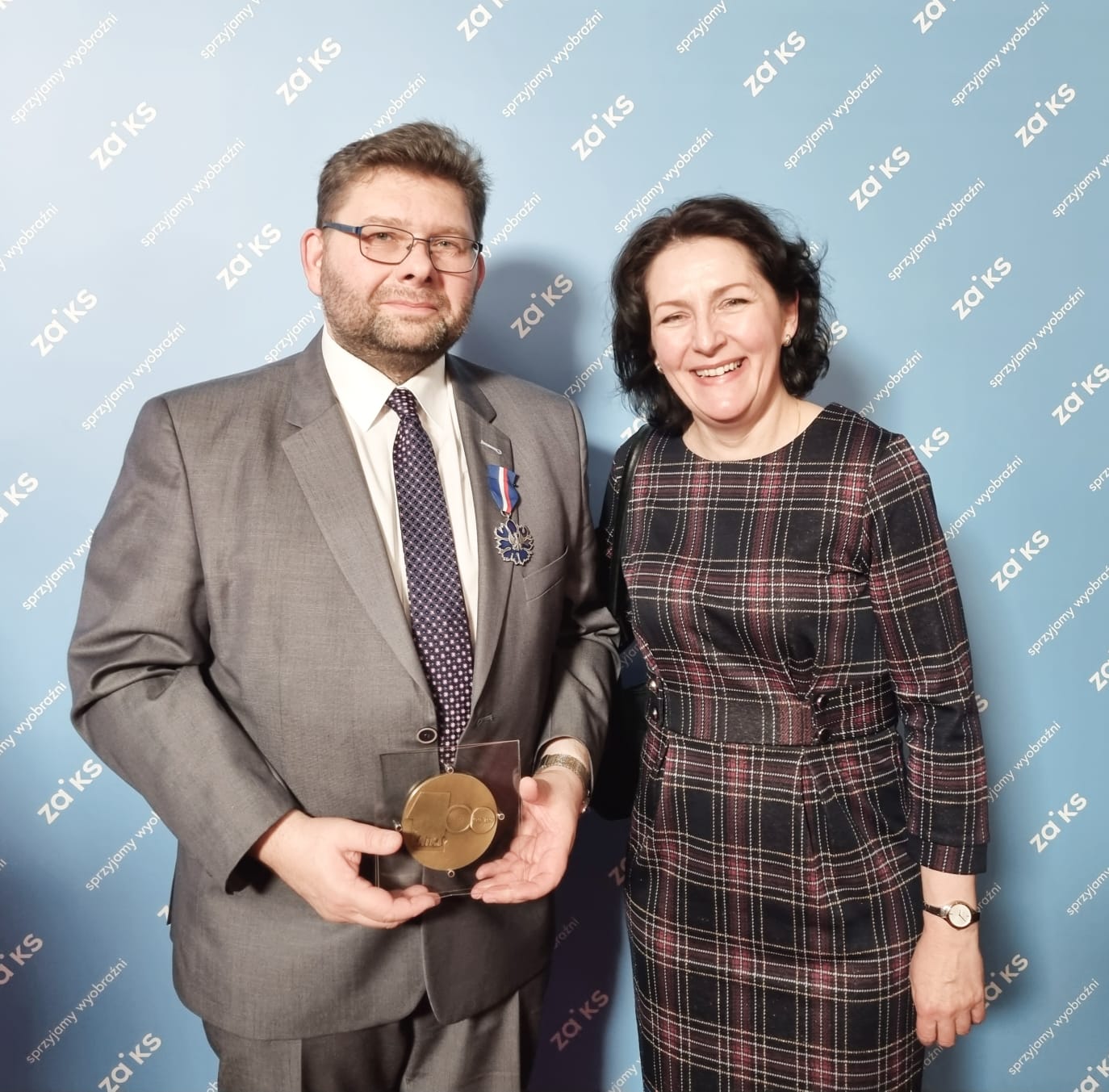
Srebrny Medal Gloria Artis oraz Medal 100-lecia Stowarzyszenia Autorów ZAiKS.
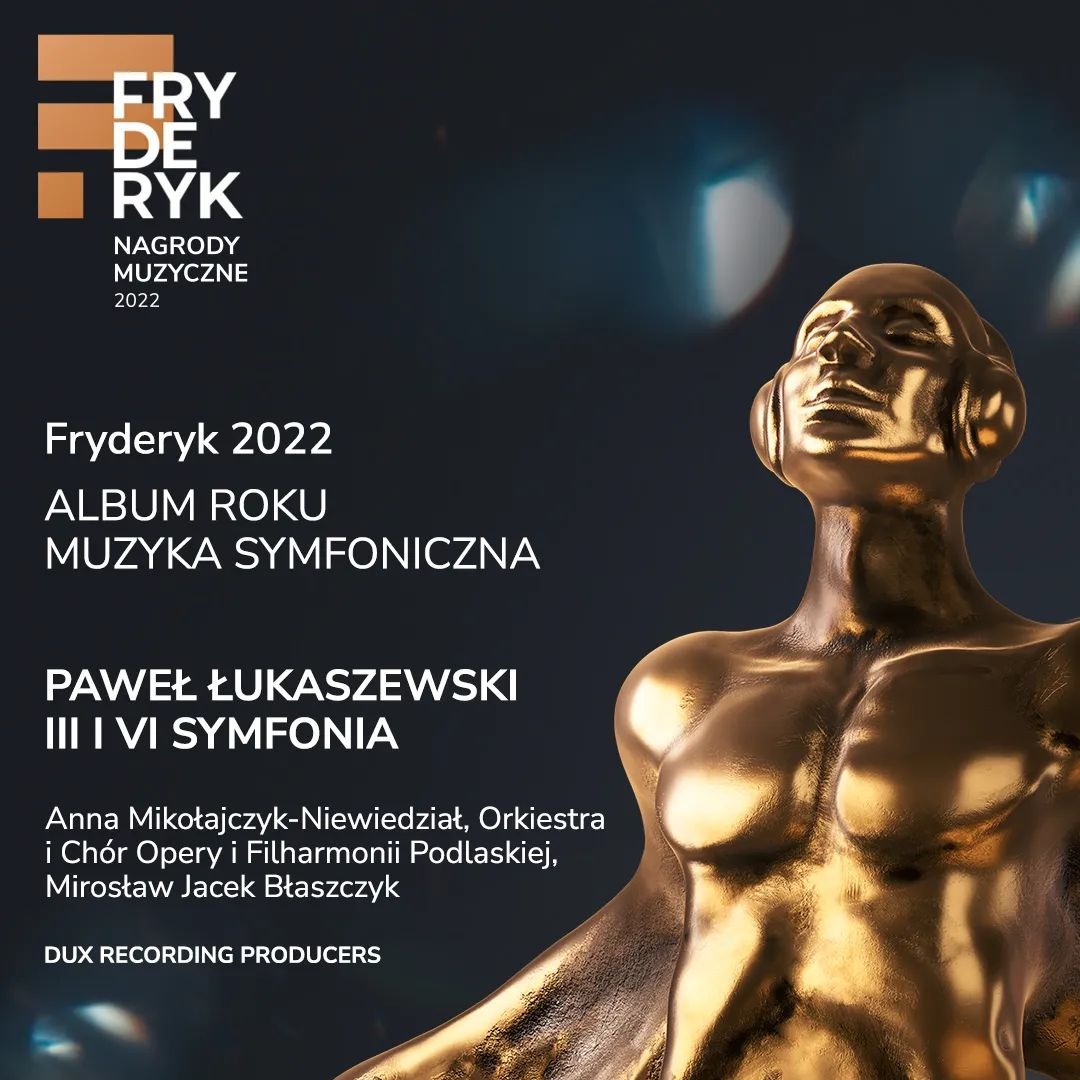
NAGRODA FRYDERYK 2022
Album Roku Muzyka Symfoniczna„Paweł Łukaszewski: III I VI Symfonia”
Anna Mikołajczyk-Niewiedział, Orkiestra i Chór Opera i Filharmonia Podlaska – Europejskie Centrum Sztuki w Białymstoku, Mirosław Jacek Błaszczyk
Wydawca: DUX
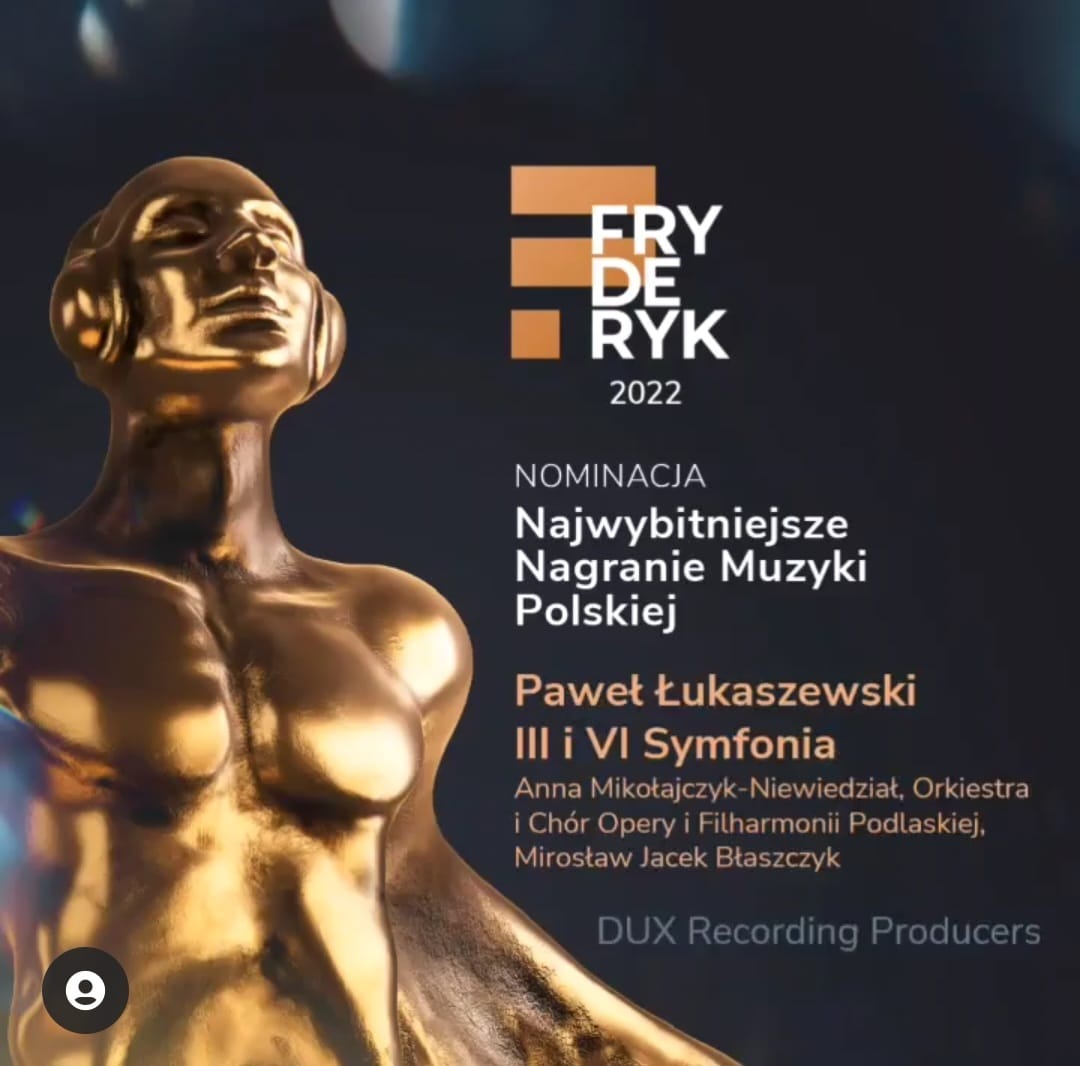
NOMINACJA
Najwybitniejsze Nagranie Muzyki Polskiej
Paweł Łukaszewski III i VI Symfonia
Anna Mikołajczyk-Niewiedział, Orkiestra i Chór Opera i Filharmonia Podlaska – Europejskie Centrum Sztuki w Białymstoku, Mirosław Jacek Błaszczyk
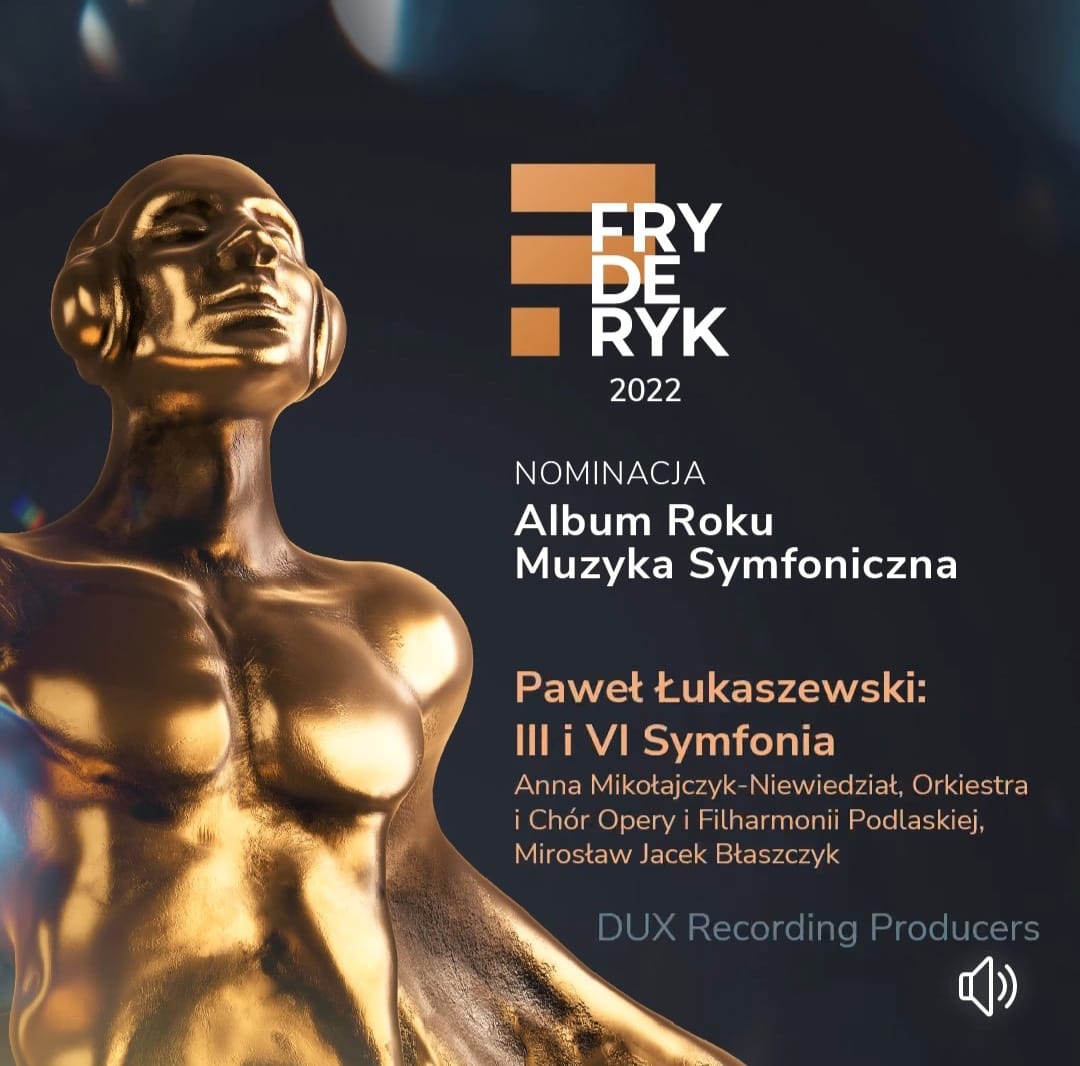
NOMINACJA
Album Roku Muzyka Symfoniczna
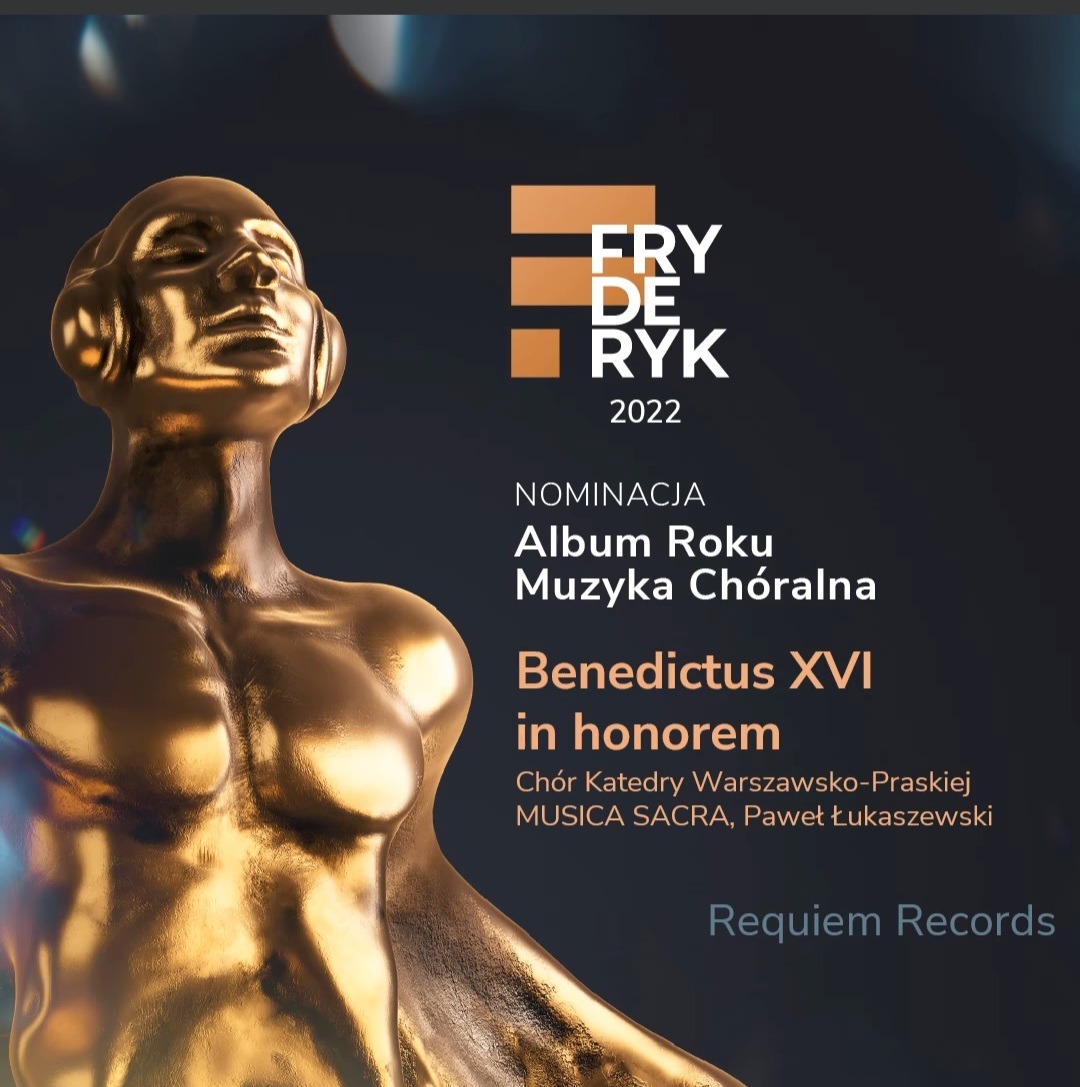
NOMINACJA
Album Roku Muzyka Chóralna
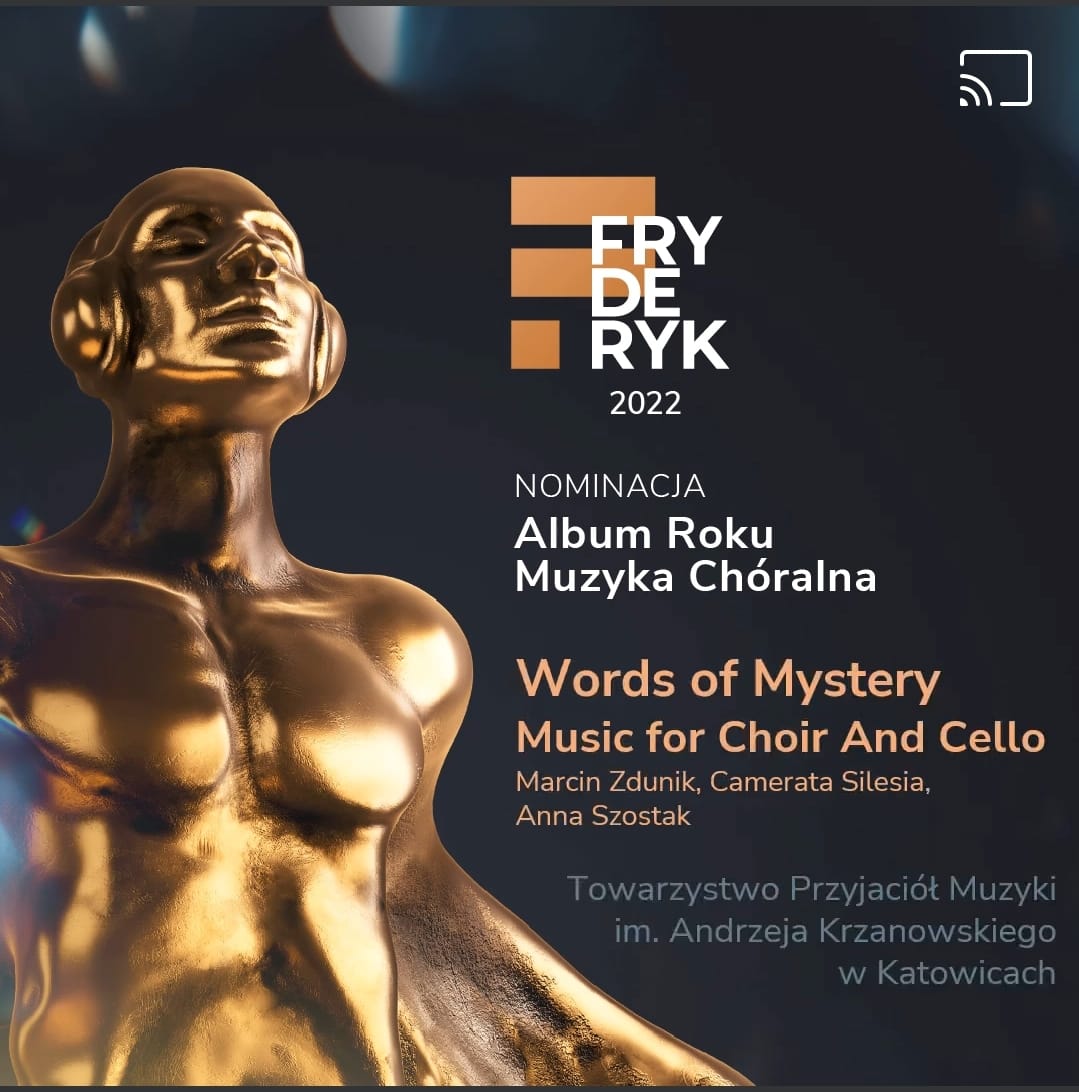
Album Roku Muzyka Chóralna
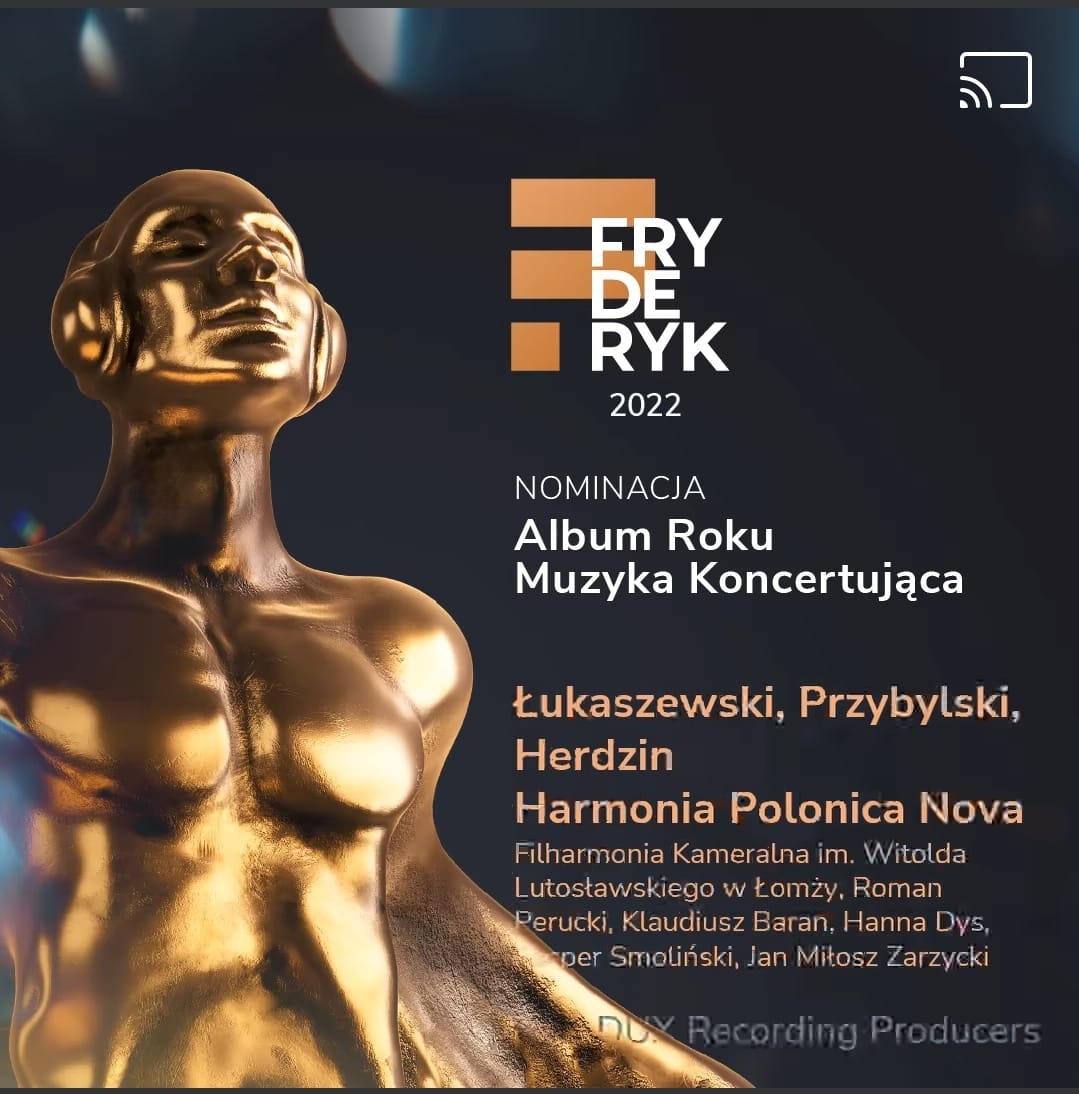
NOMINACJA
Album Roku Muzyka Koncertująca
Koncerty w Londynie, w kościele anglikańskim, St Martin-in-the-Fields, 2 – 5 listopada 2021.
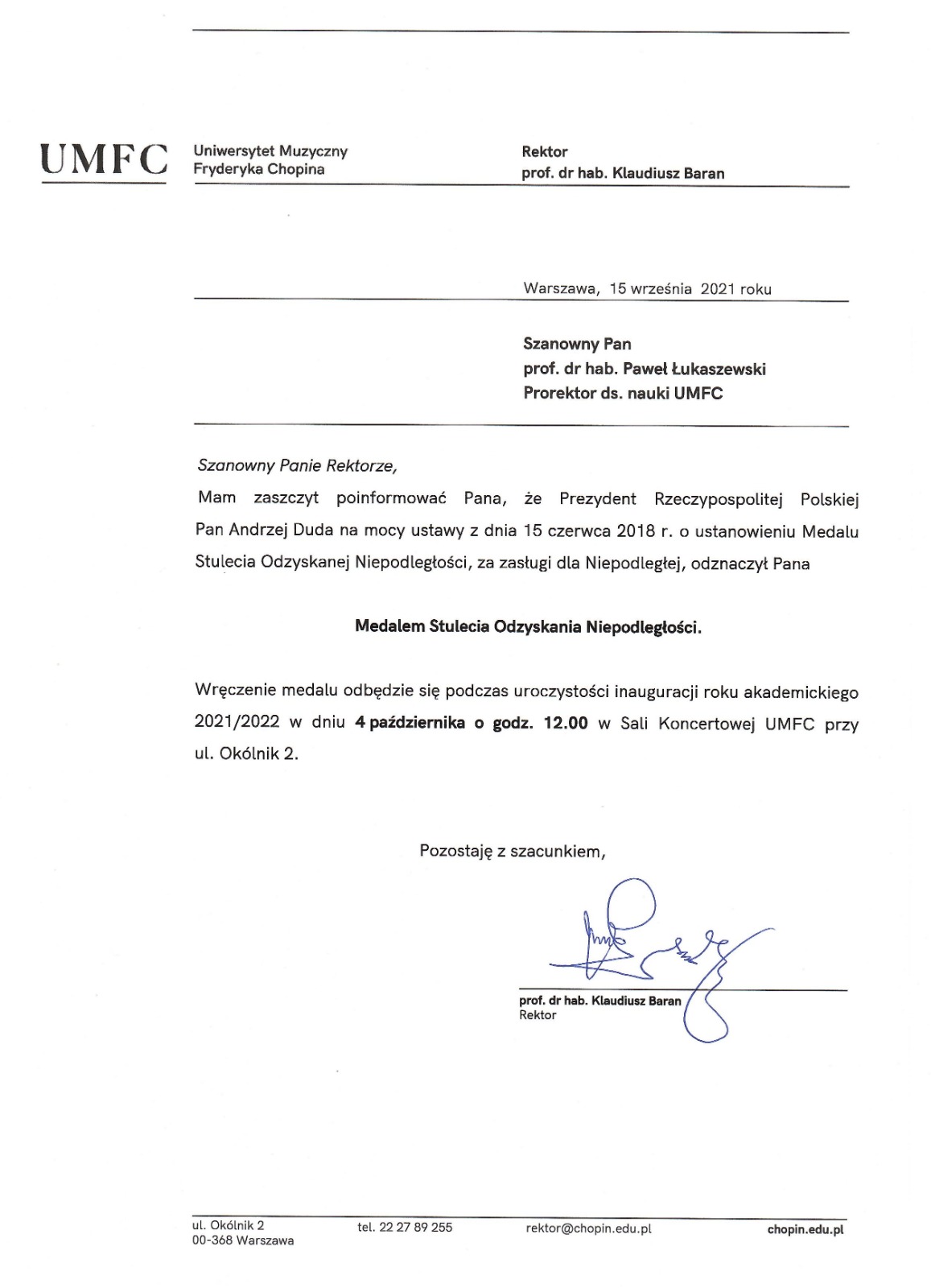
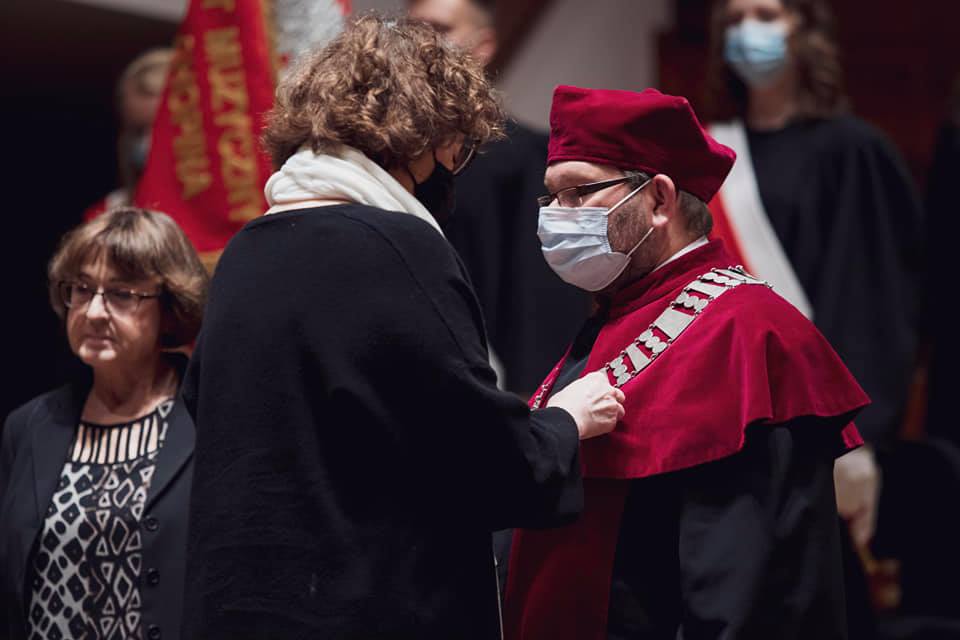
4 października, podczas uroczystej Inauguracji Roku Akademickiego na Uniwersytecie Muzycznym Fryderyka Chopina, Paweł Łukaszewski został odznaczony przez Pana Prezydenta RP Medalem Stulecia Odzyskanej Niepodległości.

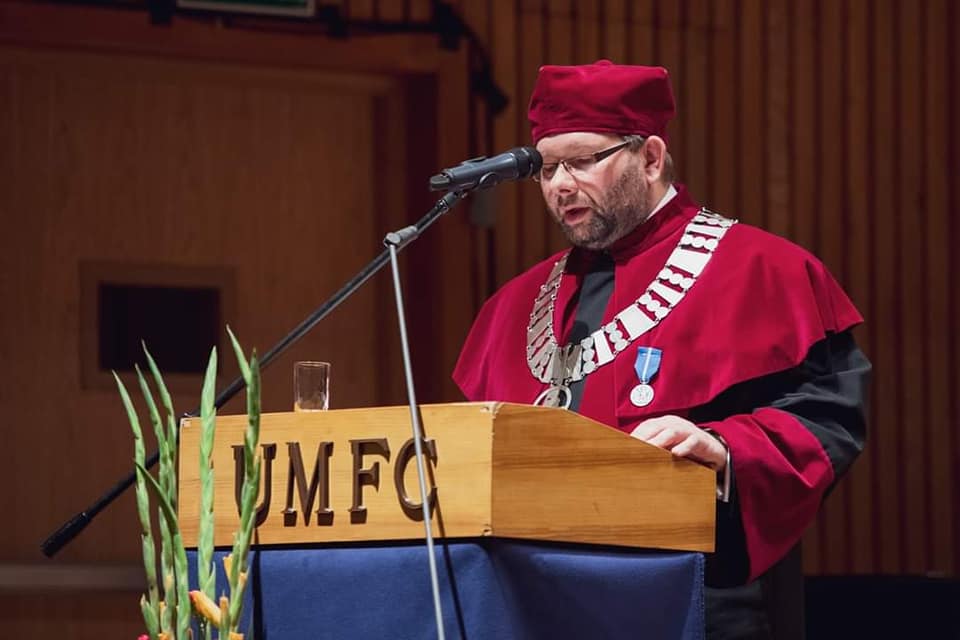
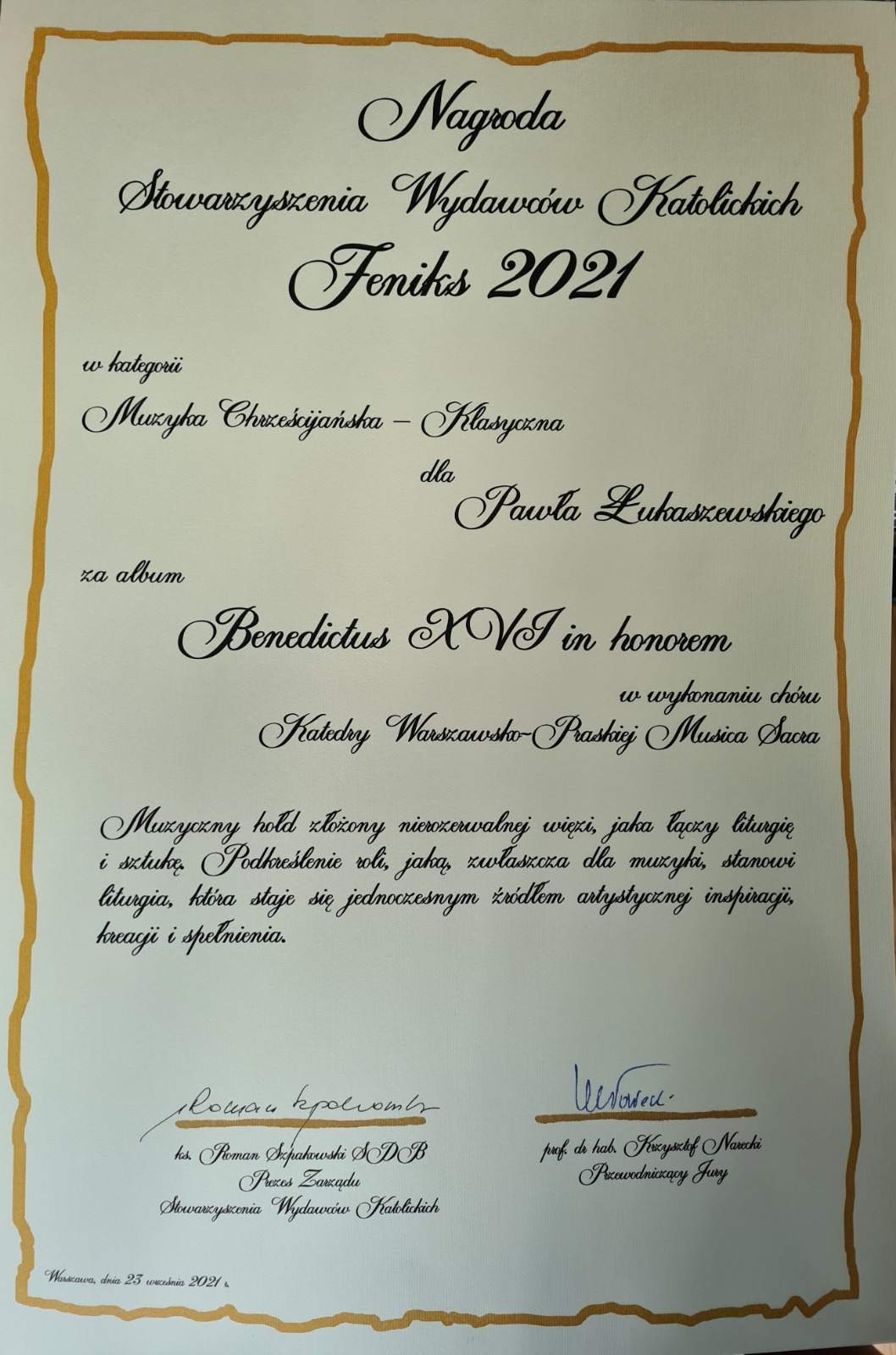
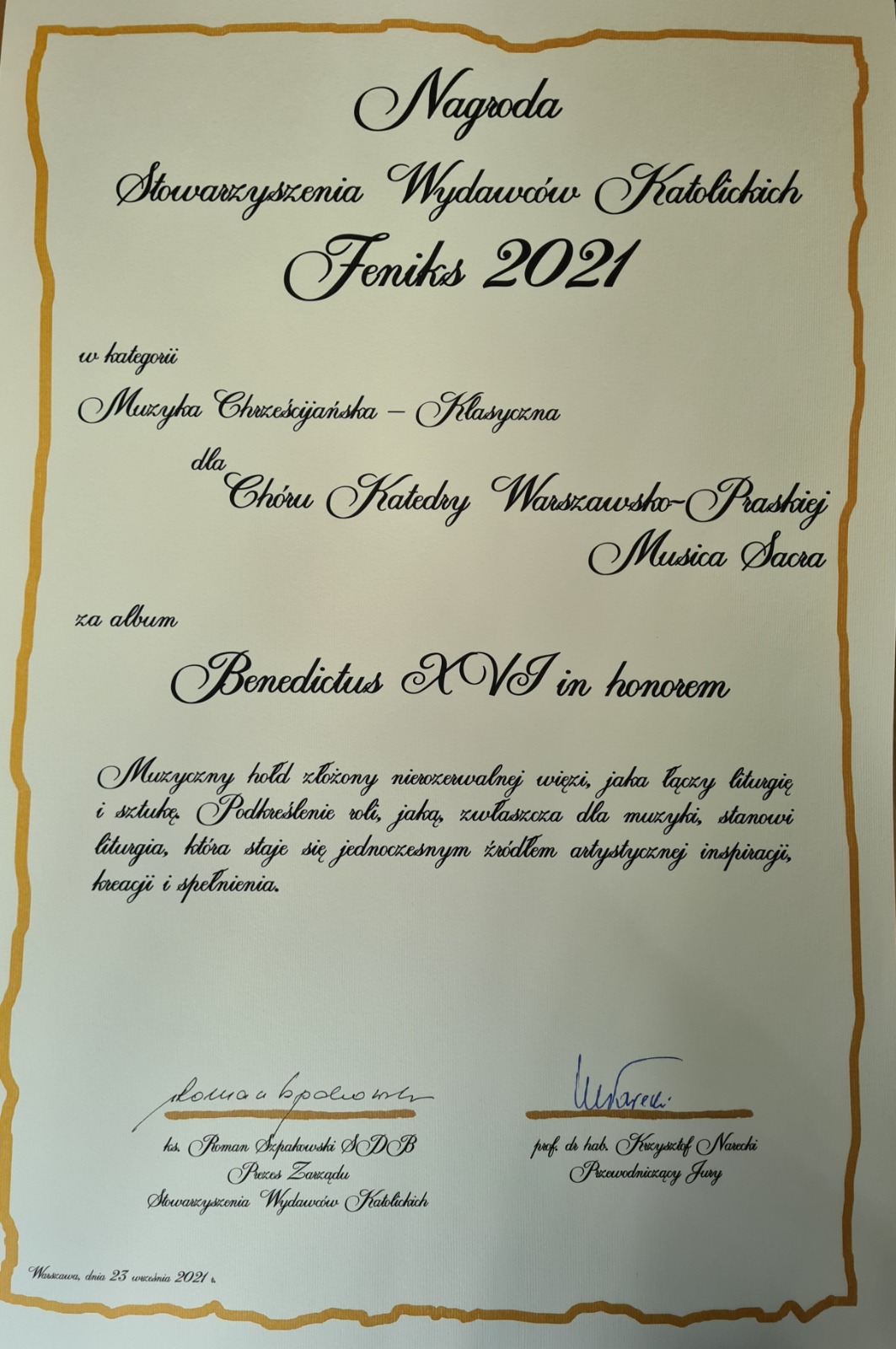
W sobotę 25 września 2021 roku założyciel Chóru Katedry Warszawsko-Praskiej MUSICA SACRA prof. dr hab. Paweł Łukaszewski otrzymał Nagrodę Wydawców Katolickich Feniks 2021 za płytę BENEDICTUS XVI IN HONOREM.

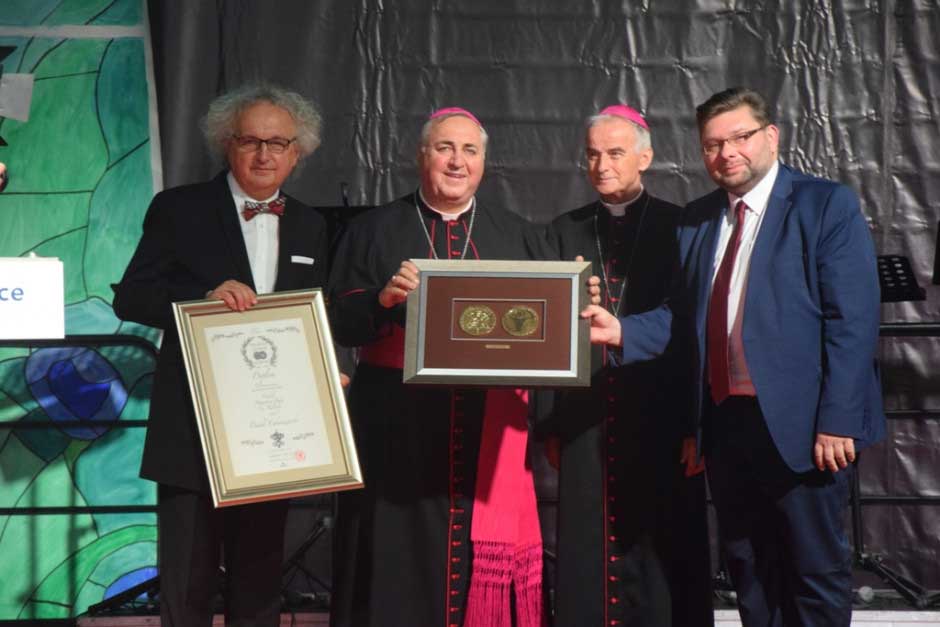
Paweł Łukaszewski dołączył do grona uhonorowanych Medalem Papieskiej Rady ds. Kultury.
Medal Per Artem ad Deum przyznawany jest podczas SACROEXPO już od 15 lat. Doroczna nagroda przyznawana jest od 2005 r. przez Papieską Radę ds. Kultury za osiągnięcia, które w istotny sposób przyczyniają się do pogłębiania dialogu różnych kultur współczesnego świata. Podczas tegorocznej, uroczystej gali medalem uhonorowani zostaną Paweł Łukaszewski za „twórczość kompozytorską i poszukiwanie istoty muzyki sakralnej”, Śp. Jerzy Jan Skąpski za „twórczość umożliwiającą przełożenie wizji na formy plastyczne” oraz Leszek Sosnowski za „działalność na rzecz rozwijania literatury polskiej, w tym publikację wielotomowej serii książek przedstawiających dzieje Pontyfikatu św. Jana Pawła II”.

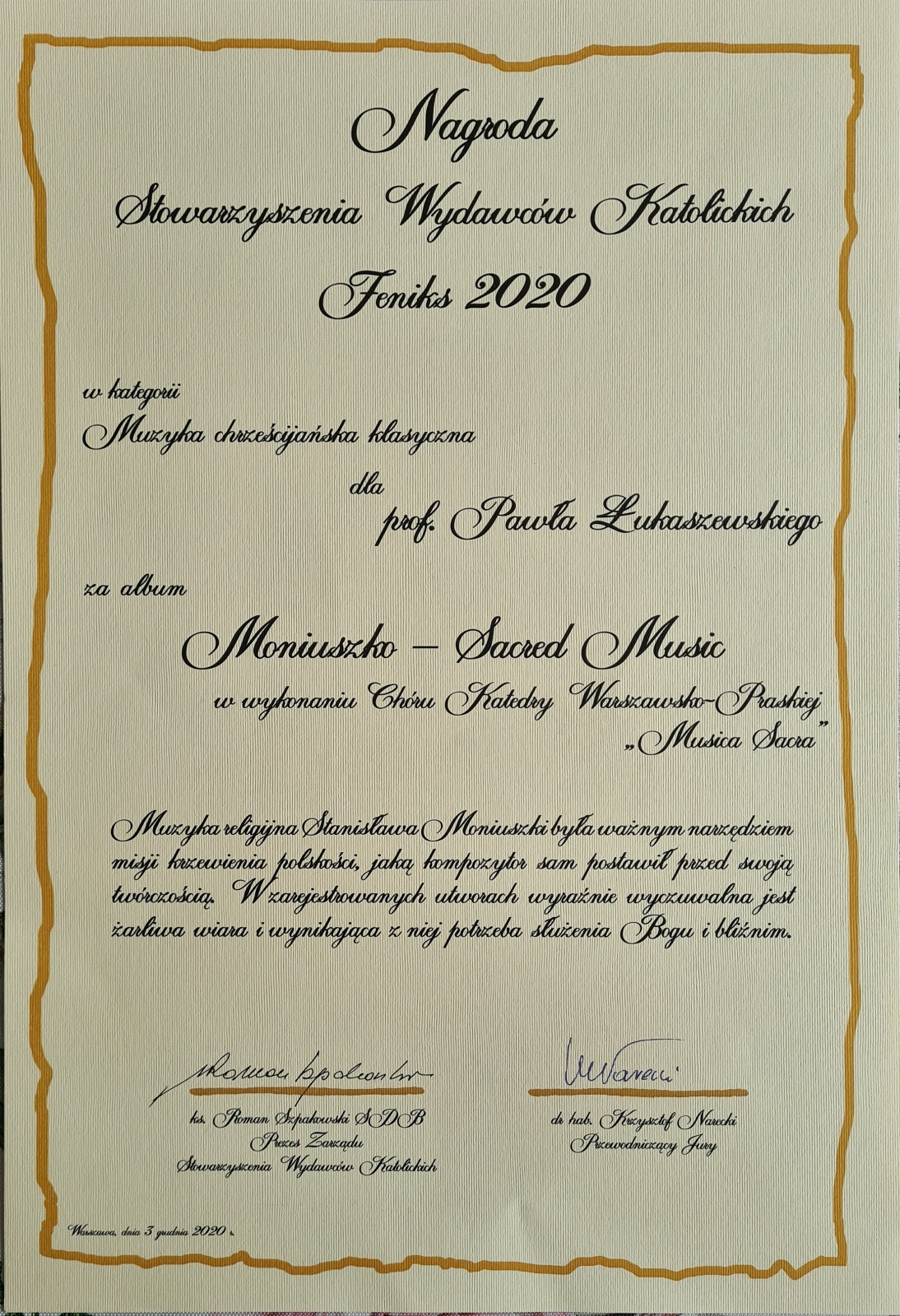
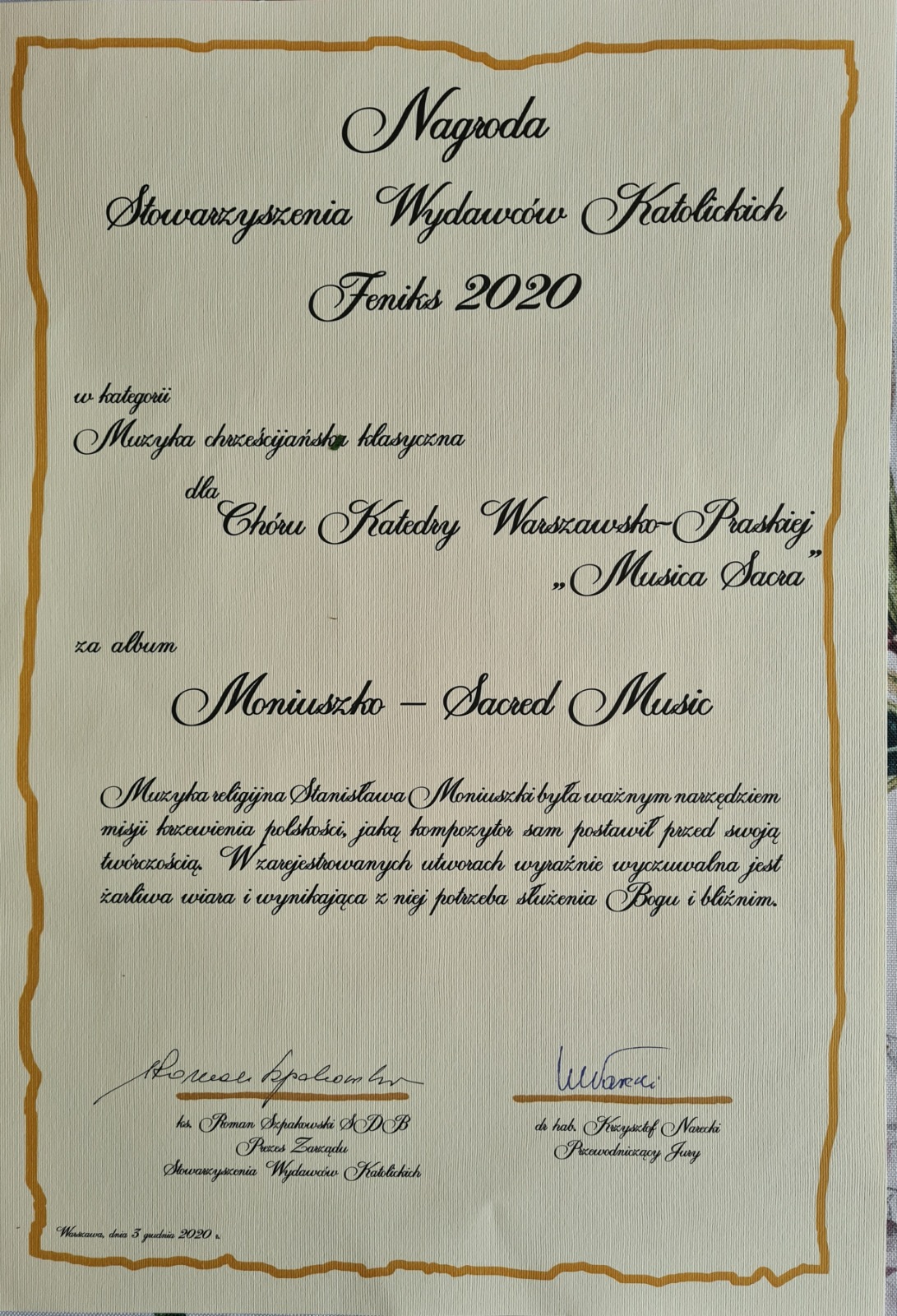
W sobotę 12 czerwca w Katedrze św. Floriana i św. Michała Archanioła założyciel Chóru Katedry Warszawsko-Praskiej MUSICA SACRA prof. dr hab. Paweł Łukaszewski otrzymał Nagrodę Wydawców Katolickich Feniks 2020 za płytę z utworami Stanisława Moniuszki.
Renata Borowiecka – Twórczość religijna Pawła Łukaszewskiego. Muzyka jako wyraz zmysłu wiary artysty


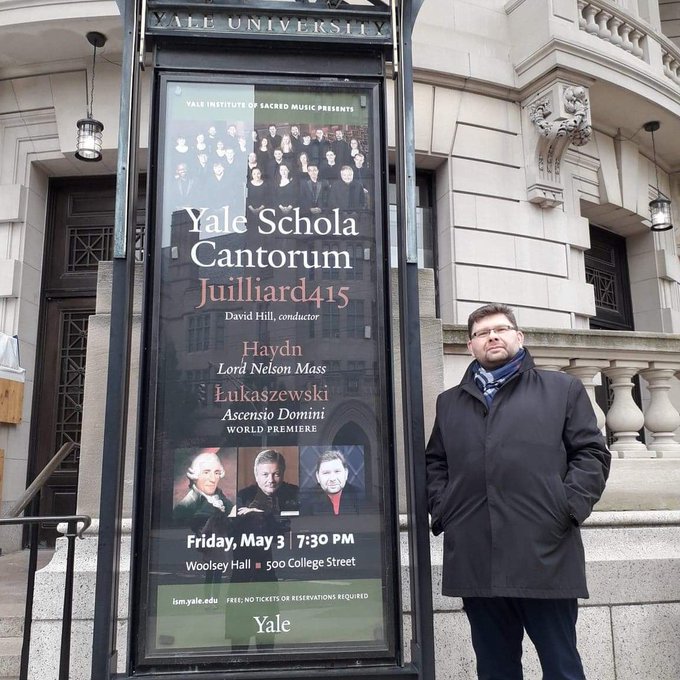
Początek listopada przyniósł prawykonania dwóch utworów na chór mieszany Pawła Łukaszewskiego, kompozytora związanego z Polskim Wydawnictwem Muzycznym. Podczas wyjątkowego koncertu w estońskim Arvo Pärt Centre publiczność mogła wsłuchać się w brzemienie Corpus Christi responsoria i Popule meus na chór mieszany w wykonaniu światowej klasy zespołu Collegium Musicale kierowanego przez Endrika Üksvärava.
Fot. Birgit Püve (z zasobów Ambasady RP w Tallinnie i Centrum Arvo Pärta)
 więcej informacji


Daylight Declines
Choral Music by Paweł Łukaszewski
by Tenebrae, Nigel Short
13 Tracks / duration: 1:09:39

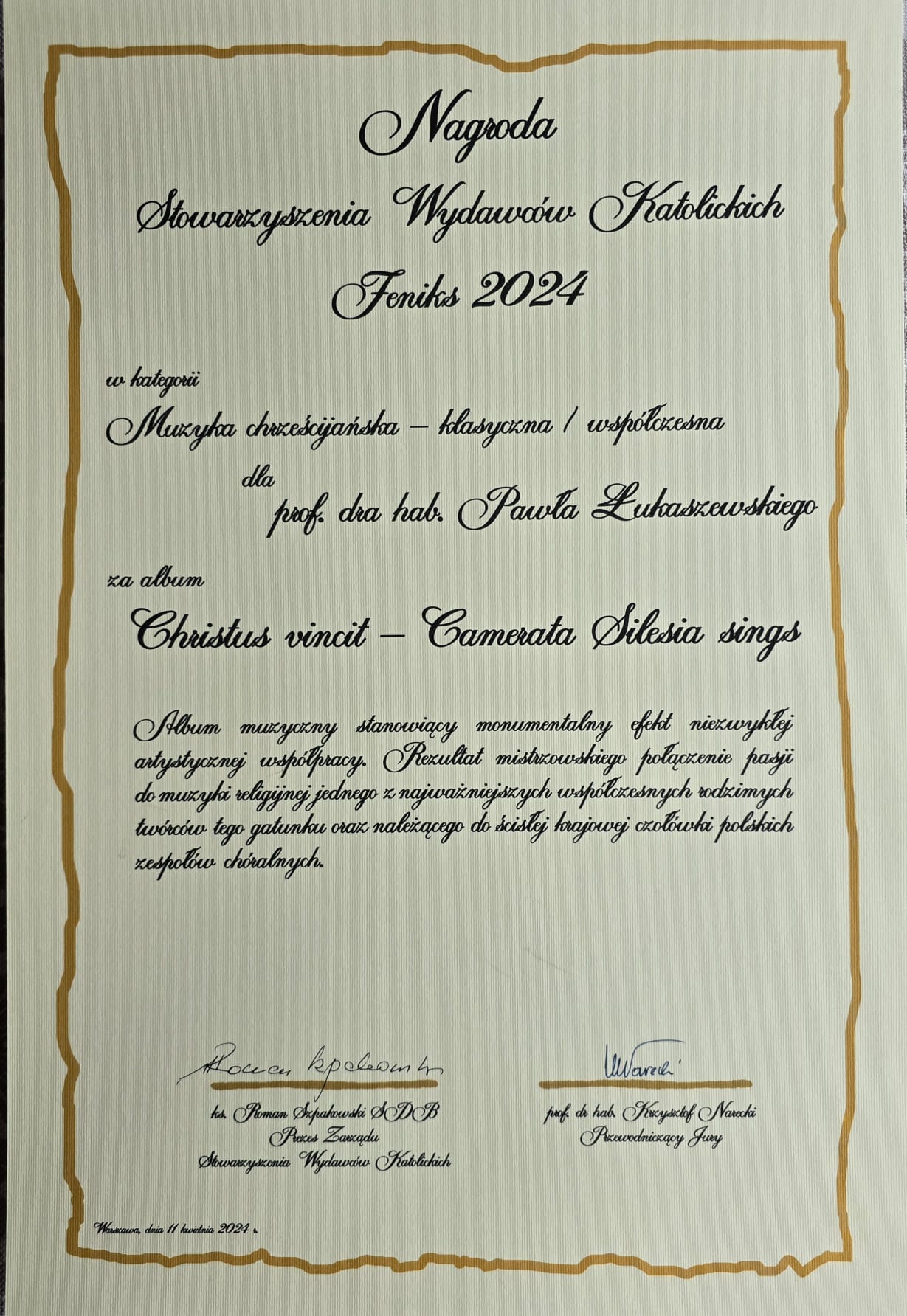
 NAGRODA STOWARZYSZENIA WYDAWCÓW KATOLICKICH FENIKS 2018
Kategoria „muzyka chrześcijańska – muzyka klasyczna”
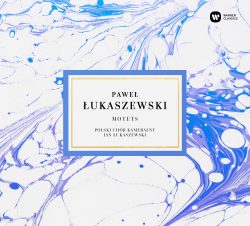
„Polskie Pastorałki” Chór Katedry Warszawsko-Praskiej, „Resurrectio”, „MOTETS” autorstwa Pawła Łukaszewskiego (Musica Sacra Edition)
oraz „Maddalena ai piedi di Cristo/ Magdalena u stóp Chrystusa” Antonio Caldara (Musicae Antiquae Collegium Varsoviense – Warszawska Opera Kameralna)

Międzynarodowy Konkurs Kompozycji Chóralnej w Japonii – członek jury
NAGRODA STOWARZYSZENIA WYDAWCÓW KATOLICKICH FENIKS 2017
Kategoria „muzyka chrześcijańska”
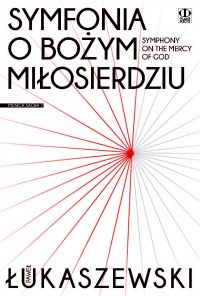
„Symfonia o Bożym Miłosierdziu” autorstwa Pawła Łukaszewskiego (Musica Sacra Edition);